Private and “coming soon” listings sound exclusive, but the numbers from my own building suggest they may cost sellers hundreds of thousands.
If you’re selling your home in New York, you’ve probably heard the pitch for listing it privately, quietly, off the public market. It sounds exclusive. It sounds smart. But I want to show you real numbers, from my own building, that suggest this strategy could be quietly costing sellers hundreds of thousands of dollars.
Here’s the strategy everyone’s talking about. Some brokerages, Compass chief among them, have made private listings, sometimes called “private exclusive” or “coming soon,” a real pillar of how they do business. And there’s a genuine case for it. The argument usually goes like this: imagine you were selling a Picasso. You wouldn’t just hang it on the street for anyone to see; you’d show it quietly, to a handful of qualified buyers who could truly appreciate it. That sounds compelling, exclusive, protective, sophisticated. And for a small number of people, a genuine celebrity who doesn’t want cameras in their home, that privacy really does matter. But for the vast majority of sellers, the analogy falls apart the moment you look at how valuable things actually sell for top dollar. Because if you really want to know what a Picasso sells for, don’t look at the private sales. Look at the auctions.
The record prices happen in public, not in private. Over the past ten to twenty years, nearly every record-shattering price for a major work of art has happened at auction, out in the open, with the whole world watching. It isn’t the quiet private sale that sets the high-water mark; it’s the public one. Why? Because an auction concentrates three powerful forces at a single moment: full exposure to every possible buyer, real competition between them, and the urgency of knowing that if you don’t act now, someone else will. That combination pushes a price to its ceiling. Sell privately, and you lose all three. You’ve traded the very thing that creates top dollar for the feeling of exclusivity, and feelings don’t show up on the closing statement.
"If you really want to know what a Picasso sells for, don’t look at the private sales. Look at the auctions. The same is true for your home."
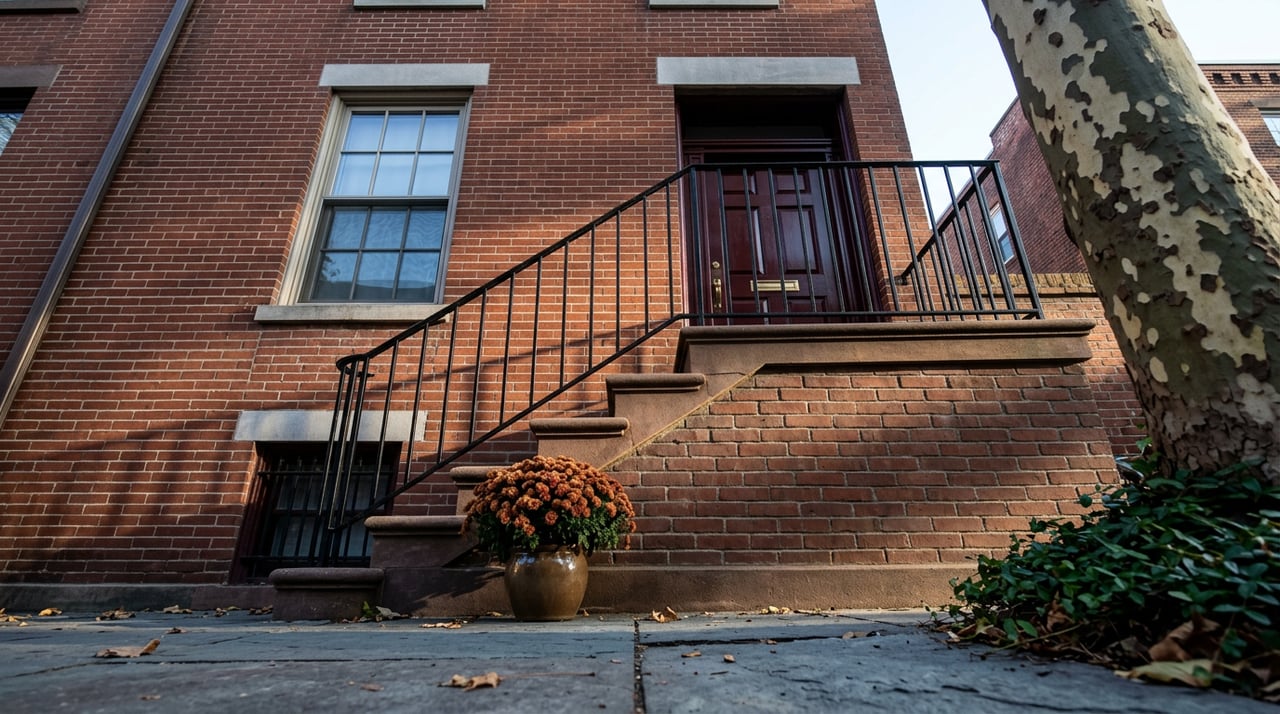
The same forces apply to real estate, and I’ve watched it play out where I live. I own a home in a building in Brooklyn Heights, on Pierrepont Street, and over the past few years I’ve had a front-row seat to this exact experiment. I’ve watched neighbors try to sell privately first, quietly, off-market, just as the strategy promises. And the pattern kept repeating: those private listings often didn’t sell that way, so they’d go public anyway, having already burned through some of that crucial first burst of attention. Meanwhile, units that went straight to the public market drew competition and, in several cases, sold for more, even when they had fewer features. Same building, same market, very different outcomes. Out of respect, I’m keeping the specific units and my neighbors out of this, but the pattern was clear enough that every seller should understand it.
And what it costs is not small. When I look honestly at the difference between the homes that sold publicly and the ones that went private first, the gap can be enormous, in some cases, comparing similar homes, potentially hundreds of thousands of dollars versus what real public competition might have produced. I want to be fair: no two homes are identical, and this is my honest read of the pattern, not a precise guarantee. But even if I’m only partly right, would you knowingly accept a strategy that might cost you several hundred thousand dollars in exchange for the feeling of privacy? For most sellers, once they see it laid out this way, the answer is clear.
Private and “coming soon” listings absolutely have their place, for a small handful of sellers with a real reason to stay out of the public eye. But for almost everyone else, the very thing that feels safe may be quietly costing you the competition that gets you top dollar. Before you agree to list your home quietly, at least understand what you might be giving up.
If you’re selling in Manhattan or Brooklyn and you want a straight, honest answer about the smartest way to position your specific home, call or text me at 718-938-5406, email me at [email protected], or visit newyorklovestherosenteam.com. Let’s talk before you decide.