If you have ever heard that a great Brooklyn Heights apartment sold before it ever really "hit the market," you are not imagining things. In this neighborhood, quiet deal flow is real, but it is also widely misunderstood. If you want to know how these deals actually happen, what buyers and sellers should expect, and where the real opportunities come from, this guide will walk you through it. Let’s dive in.
Why Brooklyn Heights Fits Quiet Deals
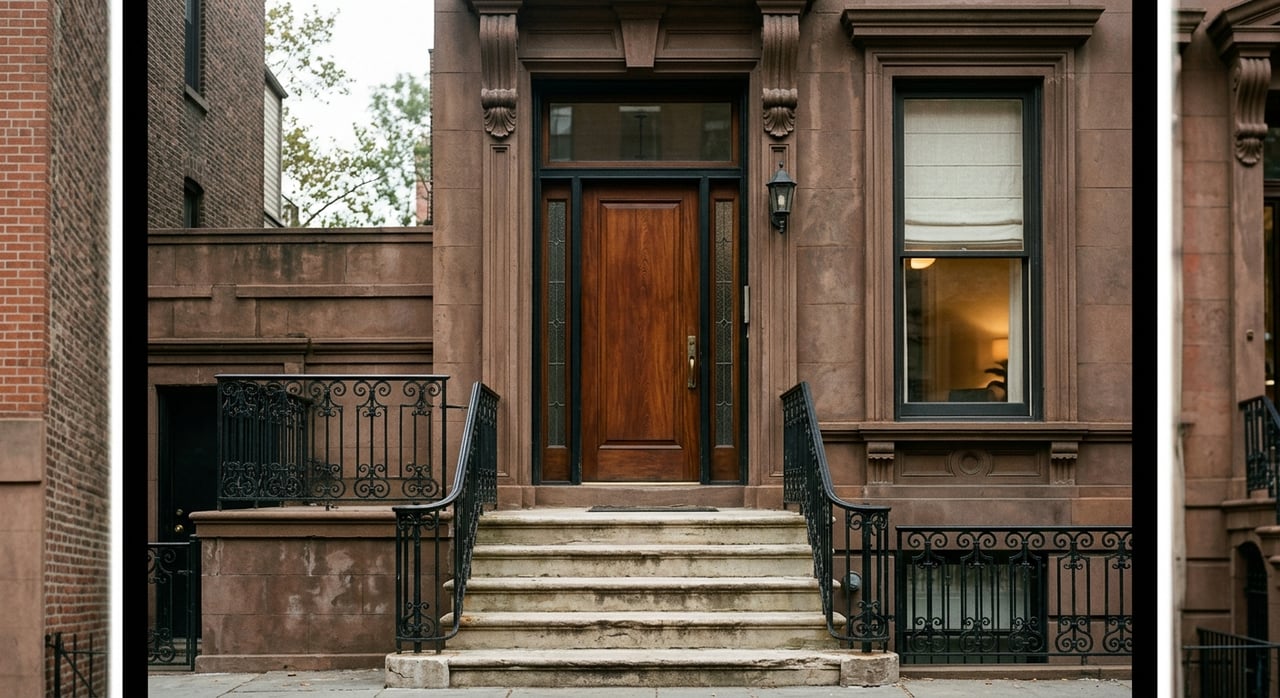
Brooklyn Heights is a natural setting for low-profile sales because it is both historic and highly selective. The Landmarks Preservation Commission describes it as a historic district with architectural and historical significance, and the original designation text describes a largely low-rise, predominantly residential neighborhood with brick and brownstone houses, tree-lined streets, and many 19th-century architectural styles.
That setting often creates a market where discretion matters. As of March 2026, Redfin reported a median sale price of $2.685 million in Brooklyn Heights and median days on market of 56. Corcoran’s 1Q 2026 Brooklyn report also noted that signed contracts were down 14% year over year, active listings were up 12%, and pricing remained strong in part because of continued activity above $2 million.
In plain English, this is a neighborhood where buyers are selective, sellers often have meaningful equity, and relationships can shape access. That does not mean every quiet listing is special, but it does mean early awareness can matter.
What Off-Market Means in NYC
In New York City, the phrase "off-market" gets used loosely. REBNY says that term should not be used for an exclusive listing, even if an owner has chosen to opt out of the RLS. The reason is simple: if a property is still for sale, calling it off-market can be misleading.
That distinction matters in Brooklyn Heights because many consumers hear "off-market" and assume the home is not really available to the public. In practice, a seller may simply be limiting exposure rather than keeping the property entirely unavailable. REBNY also notes that misuse of the term can lead to fines.
The local system at the center of this is REBNY’s Residential Listing Service, or RLS. It shares exclusive listings among member firms and helps power public brokerage websites and internal brokerage systems across New York City.
Office Exclusive vs Delayed Marketing
These two ideas often get blended together, but they are not the same thing.
What an office exclusive is
An office exclusive is a listing that is not publicly marketed and is not distributed to other MLS participants in the usual way. It is intentionally kept within a tighter circle. In that setup, exposure is limited by design.
What delayed marketing is
A delayed-marketing listing is different. The listing is filed, but its public exposure is postponed for a period of time. It is more like a timed release than a private pocket.
Why the difference matters
For buyers, this affects where opportunities come from and how fast they move. For sellers, it affects reach, timing, and the amount of market feedback they get early on. For everyone involved, clear labeling matters because the strategy changes expectations.
Why Sellers Choose a Low-Profile Approach
Most sellers do not choose limited exposure by accident. Common reasons include privacy, fewer showings, more control over timing, a chance to test demand before wider syndication, and less public attention around the sale.
There is a trade-off, though. REBNY makes clear that limited exposure may affect both pricing and time to sell or lease. In other words, a quieter strategy can feel cleaner and more controlled, but it may reduce the benefits of broad, immediate exposure.
In Brooklyn Heights, that trade-off can feel especially relevant. Many deals involve co-ops, condos, or townhouses where a seller may also be managing board timing, estate matters, move-out logistics, or pre-listing preparation.
How Quiet Deals Actually Happen
Most low-profile opportunities do not appear out of thin air. They usually come from a mix of broker relationships, internal databases, and close tracking of active inventory.
REBNY’s RLS distributes exclusive listings across member firms, and local practice allows one-to-one broker communication without triggering broader public exposure rules. That means the first real conversation about a quiet opportunity is often broker to broker.
For buyers, this usually looks less glamorous than people expect. It is often not a secret treasure chest. It is a process of staying close to agents who know the neighborhood, understand the building types, and can recognize when a seller may be open to a serious conversation before a full public push.
What Good Vetting Looks Like
Hearing about a property early is only part of the story. The real value is in knowing whether the opportunity is real, whether the seller is actually ready, and whether the building or property will hold up under review.
For co-ops and condos, the New York State Attorney General recommends reviewing the offering plan, board minutes, and financial reports. Buyers should also understand the building’s physical condition and possible repair obligations.
That same guidance is especially important in Brooklyn Heights, where older buildings often come with deeper due diligence. If you are looking at a co-op, you are buying shares in a corporation tied to a proprietary lease, not fee simple title to a unit. That is a very New York distinction, and it changes how you evaluate risk.
For townhouses and older buildings, legal use matters too. The NYC Department of Buildings says the Certificate of Occupancy states the legal use and permitted occupancy of a building, and no one may legally occupy a building until a CO or TCO has been issued.
A practical vetting checklist
Before you get emotionally attached to a quiet deal, make sure the basics are being checked:
- Is the seller truly prepared to transact?
- Is the listing an office exclusive, a delayed-marketing listing, or something else?
- For co-ops and condos, have you reviewed offering-plan materials, board minutes, and financials?
- For townhouses or older buildings, have legal occupancy and building-condition questions been addressed?
- Do you understand the building rules, approval process, and likely timing?
This is where a structured approach matters. In Brooklyn Heights, being early is useful. Being early and informed is what actually helps you compete.
What Buyers Should Expect
The biggest misconception is that quiet inventory automatically means a discount. It does not. Brooklyn Heights remains a high-price market, and the available data suggests that demand for well-positioned homes is still very real.
A low-profile opportunity may give you earlier access, but it does not remove the need to evaluate price, condition, building governance, legal use, and long-term fit. You are getting a different path to the opportunity, not a free pass on the fundamentals.
That means serious buyers need to be ready. In practice, that usually includes financing readiness, attorney support, and the ability to make a fast but informed decision.
What helps buyers compete
If you want to pursue quiet opportunities in Brooklyn Heights, focus on readiness:
- Know your price range and comfort level before the right property appears.
- Be prepared to review co-op or condo documents quickly.
- Understand that townhouse due diligence may include occupancy and building-condition review.
- Work with an agent who can pressure-test the building, not just the layout.
- Be ready to move decisively if the fit is right.
The real edge is not just hearing first. It is being able to say yes, no, or not yet with confidence.
What Sellers Should Know
For sellers, a low-profile launch can be useful, but it should be intentional. If privacy, timing, or pre-market testing is your priority, a limited-exposure strategy may help you stay in control while you assess demand.
That said, the choice should be informed. By limiting exposure, you may also limit the size of the buyer pool at the start. In a neighborhood like Brooklyn Heights, where presentation, pricing, and timing all matter, the strategy should match the property and your goals.
A smart seller plan usually starts with a few questions:
- Are you looking for privacy or maximum reach?
- Is the home truly ready for broad exposure?
- Do board timing, estate logistics, or repairs affect your launch window?
- Would a quiet rollout help you gather useful market feedback?
There is no one-size-fits-all answer. The best approach is the one that matches the building, the timing, and the seller’s real priorities.
Why Process Matters in Brooklyn Heights
Brooklyn Heights is not just about beautiful facades and charming blocks. It is also a neighborhood where building governance, paperwork, legal use, and transaction readiness can materially affect the outcome.
That is why quiet deals tend to reward buyers and sellers who are prepared, analytical, and realistic. Access helps, but process is what turns access into results.
If you are buying, you need more than a tip about a listing. You need a framework for evaluating the property and the building. If you are selling, you need a strategy that balances discretion, timing, and market reach.
If you want help navigating Brooklyn Heights with a clear plan, schedule a 10-minute introductory call with The Rosen Team.
FAQs
What does off-market mean in Brooklyn Heights real estate?
- In Brooklyn Heights and across NYC, people often use "off-market" loosely, but REBNY says that term should not describe an exclusive listing that is still being offered for sale.
How is an office exclusive different from delayed marketing in NYC?
- An office exclusive is not publicly marketed, while a delayed-marketing listing is filed but its public exposure is postponed for a period of time.
Why do Brooklyn Heights sellers choose quiet listings?
- Sellers may want privacy, fewer showings, more control over timing, a way to gauge demand before a broader launch, or less public attention around the sale.
Are off-market deals in Brooklyn Heights usually cheaper?
- Not necessarily. A quiet opportunity may offer earlier access, but buyers still need to evaluate price, condition, building governance, and legal use like any other purchase.
What should buyers review before pursuing a Brooklyn Heights co-op or condo?
- Buyers should review the offering plan, board minutes, financial reports, the building’s physical condition, and any potential repair obligations.
What should buyers check for a Brooklyn Heights townhouse or older building?
- Buyers should confirm legal use and permitted occupancy, including whether the building has a valid Certificate of Occupancy or Temporary Certificate of Occupancy where required.