Thinking about buying a small multi-family home in the West Village? It can sound like the best of both worlds: townhouse charm, extra space, and the potential for rental income. But in this part of Manhattan, the decision is rarely just about layout or price. You also need to understand legal use, historic-district rules, property tax treatment, and how lenders may view the building. Let’s dive in.
Why West Village small multi-family homes stand out
The West Village is not a typical townhouse market. Much of the neighborhood sits within the Greenwich Village Historic District and its extensions, and the New York City Landmarks Preservation Commission notes that this district was designated in 1969 and includes more than 2,000 buildings across more than 65 blocks.
That matters because many small buildings here are part of a preservation-heavy environment. In practical terms, buying a 2- to 4-unit property in the West Village often means evaluating both the real estate itself and the rules that shape what you can change over time.
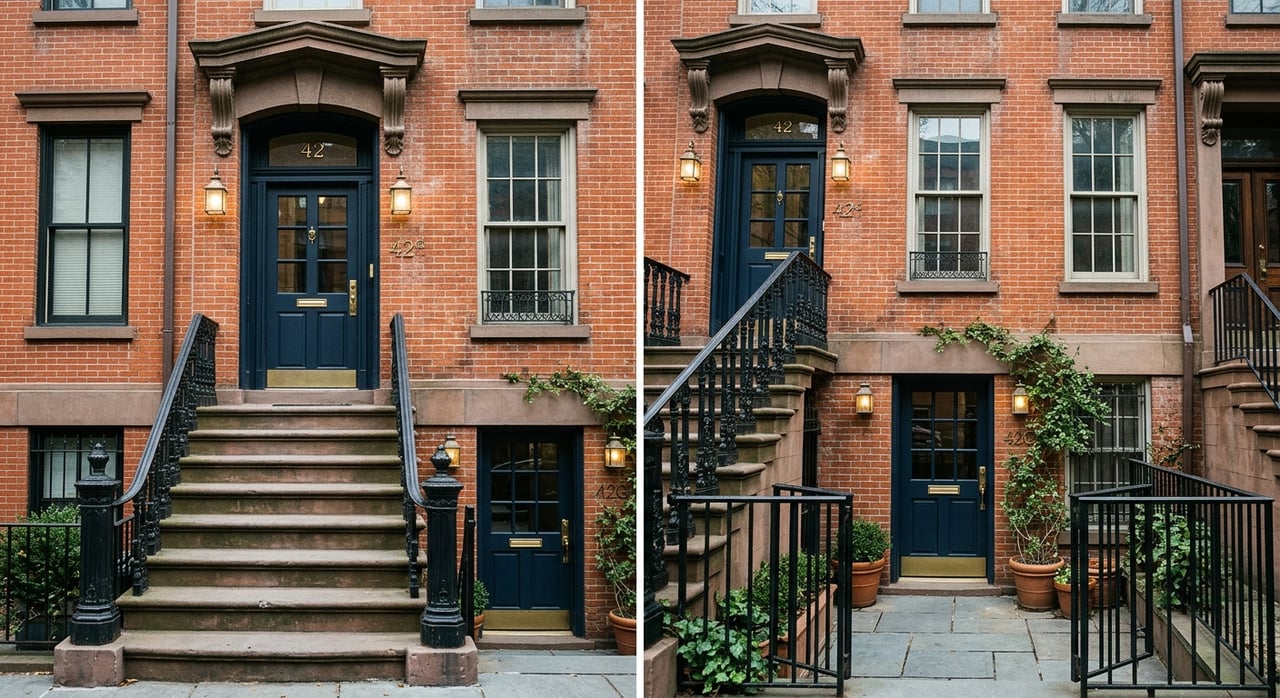
The area’s building stock is also defined by rowhouses. The LPC’s Rowhouse Manual says rowhouses are the dominant housing type in many of the city’s historic districts, which helps explain why so many West Village opportunities feel more like a townhouse decision than a standard apartment purchase.
What a small multi-family home often means
In the West Village, a small multi-family home usually works as a hybrid property. You may live in one portion of the building and rent out the other units, or you may use separate living areas for extended family under one deed.
This is less about marketing language and more about how the property is actually configured and treated. Fannie Mae notes that classification can depend on details like separate utility meters, a unique postal address, and whether a unit can legally be rented.
That distinction is important because a small multi-family home is often evaluated as both a residence and an income-producing asset. If you are comparing a West Village townhouse, condo, or co-op, this is one of the biggest decision points to understand early.
Why financing works differently
For 2- to 4-unit properties, lenders and appraisers often take a different approach than they would for a single-family home. Fannie Mae says the income approach to value is required for two- to four-unit properties, which means rental potential is part of the valuation process.
Freddie Mac also says rental income from the other units can be added to a borrower’s total income for eligible 2- to 4-unit primary residences. So if you plan to owner-occupy one unit, the building’s income potential may affect how your financing is evaluated.
Insurance can differ too. Fannie Mae has specific insurance requirements for one- to four-unit properties, which is another reason these buildings need a more tailored review than a typical apartment purchase.
Start with legal use
If you are serious about a small multi-family home in the West Village, legal use should be one of your first checkpoints. The New York City Department of Buildings says a Certificate of Occupancy states the legal use and permitted occupancy of a building.
For older Manhattan buildings, this can get nuanced. DOB says buildings built before 1938 may not require a Certificate of Occupancy unless later alterations changed the use, egress, or occupancy. In those cases, a Letter of No Objection may be used to confirm legal use.
This is not a minor paperwork detail. The unit count you see in a listing, the way the building is currently set up, and the building’s legal status all need to line up.
Why a temporary CO can be risky
If a property has a Temporary Certificate of Occupancy, pay close attention. DOB recommends closing based on a final CO rather than a Temporary CO because an expired TCO can create problems for insurance, resale, or refinancing.
In a market where buyers often think long term, that matters. A building that seems flexible today can become much harder to finance or sell later if its occupancy documents are not in order.
Check violations and conversions early
Older buildings can be full of charm, but they can also come with unresolved issues. DOB says open violations are public, must be corrected before a new or amended CO can be obtained, and can prevent a sale or refinance.
DOB also warns that illegal conversions create safety risks and can trigger violations and Stop Work Orders. In the West Village, where older housing stock is common, this is one of the most important due diligence items to verify up front.
A smart buyer does not wait until late in the deal to ask these questions. You want clarity on legal configuration before you build your budget or renovation plans around a certain setup.
Historic-district rules can shape your plans
In much of the West Village, exterior work may require review by the Landmarks Preservation Commission. LPC says it reviews proposed changes based on their effect on the architectural and historical character of the building and the district.
This includes work such as replacement windows, facade changes, and additions. LPC also notes that a project can comply with zoning and still be considered inappropriate under landmarks rules.
That is a very New York kind of complication. You may be technically allowed to do something from a zoning standpoint, but still need a separate preservation review for exterior changes.
Zoning and landmarks are not the same
This point is worth slowing down for. LPC says it does not regulate floor area, density, or building use. Those issues fall under the Department of City Planning.
So if you are evaluating a West Village multi-family property, you are not looking at one layer of rules. You may be looking at legal occupancy, zoning, and landmark review at the same time.
That is why these purchases benefit from a structured review process. It helps you avoid mixing together issues that are handled by different city agencies.
Understand rent regulation before you assume flexibility
A lot of buyers assume a 2- to 4-unit townhouse is automatically outside rent regulation. Sometimes that is true, but not always in every situation.
New York State Homes and Community Renewal says New York City rent stabilization generally applies to buildings with six or more units built between February 1, 1947 and December 31, 1973, with added categories for some pre-1947 buildings and buildings receiving certain tax benefits.
That means a typical 2- to 4-unit West Village townhouse is often outside the standard rent-stabilization framework. But unit history still needs to be checked for possible legacy regulation or tax-benefit-related coverage.
Property taxes may not work the way you expect
Small multi-family homes can also behave differently from a tax standpoint. The New York City Department of Finance says Class 1 is generally 1- to 3-family homes, while Class 2 includes primarily residential property with four or more units, including 4- to 6-unit rental buildings.
That distinction matters because assessment methods can differ. NYC311 says Class 1 properties are generally assessed by comparable sales, while Class 2 properties are generally assessed using income and expense data.
NYC311 also notes that income-producing properties in tax classes other than Class 1 may have income and expense filing obligations unless exempt. If you are comparing a 3-unit and 4-unit building, this is not just a small difference in unit count. It can affect how the property is assessed and carried over time.
A practical way to evaluate these homes
At The Rosen Team, we like decisions that are clear, structured, and grounded in the details that actually affect your outcome. For a West Village small multi-family purchase, that means looking at the property through a few simple lenses:
- Livability: How well does the owner’s space function for your daily life?
- Cost: What are the carrying costs, tax treatment, insurance needs, and likely repair items?
- Opportunity: Is there legal and usable flexibility for rental income or multigenerational living?
- History: Does the legal use match the building’s current setup and alteration history?
- Rules: What approvals may be required from DOB or LPC before you make changes?
This kind of framework helps you compare properties that may look similar in photos but behave very differently in real life.
Questions to ask before you move forward
If you are exploring small multi-family homes in the West Village, these are some of the most useful questions to raise with your attorney, lender, and tax professional:
- Does the Certificate of Occupancy or Letter of No Objection match the building’s current use?
- Are there any open DOB violations, illegal alterations, or stop-work issues?
- Is the property in a historic district, and what exterior work would require LPC review?
- Is any unit subject to rent stabilization, rent control, or a tax-benefit-related regulatory status?
- How will the lender treat rental income from other units in the building?
- What tax class is the property in, and how might that affect assessment or filing obligations?
These are not just technical questions. They shape what you can do with the property, what it may cost to own, and how easy it may be to refinance or sell later.
The bottom line on West Village small multi-family homes
A small multi-family home in the West Village can be a compelling option if you want townhouse living with added flexibility. You may gain room for extended family, the ability to offset carrying costs with rental income, or a property that functions as both a home and an asset.
But flexibility only works when the details support it. In this neighborhood, the smartest buyers look closely at legal use, occupancy documents, open violations, historic-district review, rent-regulation history, and tax classification before making a move.
If you want help pressure-testing a West Village property with a sharper NYC lens, The Rosen Team can help you evaluate the tradeoffs and move forward with clarity.
FAQs
What is a small multi-family home in the West Village?
- A small multi-family home in the West Village usually refers to a 2- to 4-unit building that may function as an owner-occupied home, an income-producing property, or a multigenerational setup.
Why do historic-district rules matter for West Village townhouses?
- Historic-district rules matter because many West Village buildings sit within the Greenwich Village Historic District, where exterior changes may require review by the Landmarks Preservation Commission.
What should buyers verify about legal use in a West Village multi-family property?
- Buyers should verify that the building’s Certificate of Occupancy, or Letter of No Objection when applicable, matches the property’s actual unit count and current use.
Can open DOB violations affect a West Village home purchase?
- Yes. Open DOB violations can delay or affect a sale, refinancing, or a new or amended Certificate of Occupancy, so they should be reviewed early in due diligence.
Are 2- to 4-unit West Village homes usually rent stabilized?
- Often they are outside the standard rent-stabilization framework, but each unit’s history should still be checked for possible legacy regulation or tax-benefit-related coverage.
How are property taxes different for small multi-family homes in New York City?
- In New York City, 1- to 3-family homes are generally Class 1, while many 4-unit residential properties fall into Class 2, which can mean different assessment methods and filing requirements.