If you are trying to picture daily life in Brooklyn Heights with a growing household, the big question is usually not whether the neighborhood is beautiful. It is whether it actually works on a Tuesday morning, a rainy Saturday, or a rushed school pickup kind of day. Brooklyn Heights stands out because it pairs classic New York housing with strong transit, waterfront open space, and practical family support spaces. Let’s dive in.
What Daily Life Feels Like
Brooklyn Heights offers a version of city living that is shaped by walking, transit, and public space. Much of the neighborhood sits within the Brooklyn Heights Historic District, which was designated in 1965, and that historic fabric still defines the look and feel of many blocks.
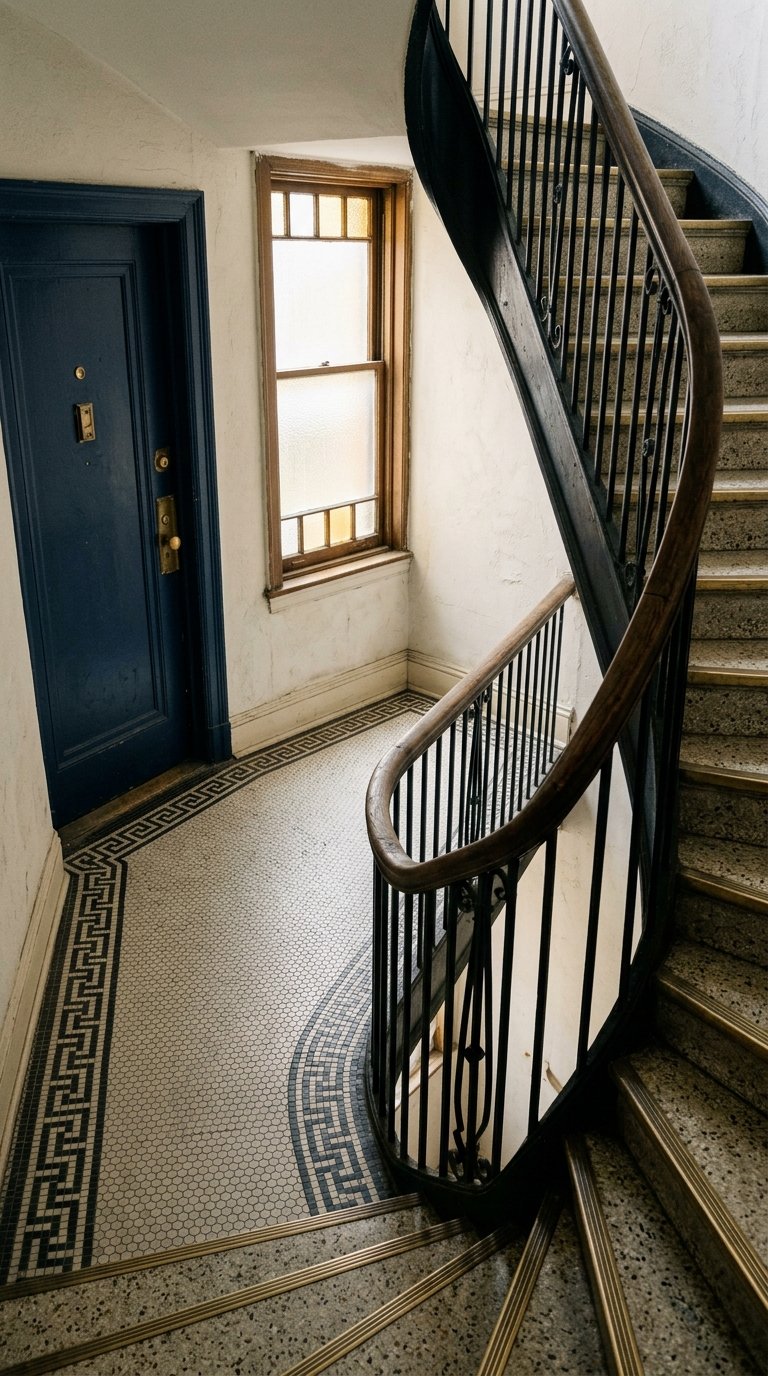
For you, that often means a streetscape of low- and mid-rise historic buildings instead of a fully modern apartment landscape. It can feel more intimate than many dense parts of New York City, while still keeping you close to major transit and everyday services.
Brooklyn Heights is also part of Brooklyn Community District 2, and public schools in the area fall within New York City Geographic District 13. That wider district context matters because many families think about a neighborhood not only as a set of blocks, but as part of a larger daily routine that includes transit, parks, libraries, and preschool options.
Parks Shape the Routine
For growing households, parks are not just amenities. They are where a lot of real life happens, from stroller walks to playground time to burning off energy after a long day.
Brooklyn Bridge Park Adds Flexibility
Brooklyn Bridge Park is the neighborhood’s biggest open-space asset. It spans 85 acres and stretches 1.3 miles along the East River shoreline. The park is free to enter and open daily from 6 a.m. to 1 a.m., while playgrounds are open from sunrise to sunset.
That scale matters if you have kids at different ages or different energy levels. You are not dealing with one small playground and calling it a day. You have waterfront paths, open lawns, and multiple play areas that can support a quick outing or a longer family routine.
The play areas at Pier 1, Pier 2, and Pier 6 include accessible swings and ground-level play equipment. The park also has ferry landings at Pier 1 and Pier 6, served by NYC Ferry, New York Water Taxi, and Governors Island Ferry, which adds another layer of flexibility for weekend plans or getting around the waterfront.
Brooklyn Bridge Park also offers programming that goes beyond unstructured play. Its 2026 season preview says the education team offers free and low-cost summer classes for day camp, youth, and school groups, and most events are free. If you want a neighborhood where public space can support both downtime and structured activities, that is a real advantage.
Cadman Plaza Park Supports Everyday Use
Cadman Plaza Park plays a different role, but it matters just as much for day-to-day life. NYC Parks describes it as a large recreational space with fields, benches, and a comfort station, and says its main function is as a playground for the entire Brooklyn Heights community.
That kind of nearby green space is useful because not every outing needs to be a full waterfront excursion. Sometimes you just need a short play break, a bench, or a place to reset between errands.
The Promenade Makes Walks Easy
The Brooklyn Heights Promenade is one of the neighborhood’s classic daily-life features. The city describes it as being on the East River south of the Brooklyn Bridge, with views of the bridge, the Manhattan skyline, New York Harbor, and the South Street Seaport.
For families, the Promenade is not only scenic. It is also a simple, low-effort option for a stroller walk, a short evening outing, or a change of pace without much planning.
Transit Keeps the Neighborhood Practical
A neighborhood can be charming and still be hard to live in. Brooklyn Heights tends to stay practical because transit access is unusually strong.
The MTA neighborhood map lists service at Borough Hall for the 2 and 3 trains and again for the 4 and 5 trains, Court Street for the R train, High Street for the A and C trains, and Jay Street-MetroTech for the A, C, F, and R trains. The subway system runs 24 hours a day, 7 days a week, and OMNY is in use at every subway station.
That depth of service can make a real difference when your life includes daycare drop-offs, work commutes, appointments, and weekend plans. You have options, which matters in New York because one reliable route is good, but multiple workable routes are better.
Brooklyn Bridge Park is also accessible by the A/C, 2/3, 4/5, F, and R trains, plus the B25, B61, B63, and B67 buses. The park notes that parking is very limited and recommends public transportation, biking, or walking. If you are trying to live well without relying on a car, that fits the neighborhood’s rhythm.
Library and Preschool Support Matter
When families evaluate a neighborhood, the most useful places are often the least flashy ones. Brooklyn Heights has a few civic resources that can play a big role in your routine.
Brooklyn Heights Library Is a Real Daily Resource
The Brooklyn Heights Library is located at 286 Cadman Plaza West and is fully accessible. The branch includes a children’s area, a teen library, meeting rooms, laptop loan, and after-hours returns.
That is more than a nice extra. It gives you a practical indoor destination, a study and reading resource, and a place that can support different age groups over time.
Transit access adds to its usefulness. The branch page lists access via the 2, 3, 4, 5, 6, A, C, F, and R trains, plus the B25, B26, B38, B41, B52, and B103 buses.
Preschool Access Is Part of the Picture
The New York City Department of Education page for NY Preschool Brooklyn Heights lists the school at 182 Henry Street in Geographic District 13 and notes that it serves 3K and pre-K. If you are planning a move with young children, having that early-childhood option in the neighborhood is relevant.
It does not answer every school-related question, of course. But it does help round out the picture of Brooklyn Heights as a place where public resources can support a family’s early years.
Housing Choices Come With Tradeoffs
For many growing households, the biggest challenge in Brooklyn Heights is not liking the neighborhood. It is figuring out how to stay there, move into it, or upsize within it in a way that fits your life and budget.
Brooklyn Heights is shaped by landmarked historic fabric, and rowhouses are a dominant typology in many New York City historic districts. In practical terms, that means the neighborhood’s housing identity is still tied closely to historic low- and mid-rise buildings.
At the same time, the broader Fort Greene/Brooklyn Heights profile shows a more varied housing market. The NYU Furman Center reports 2024 median household income of $143,880, homeownership of 31.2%, and households with children under 18 at 20.5%. The same profile notes that this broader area had the fourth most expensive rents among New York City’s 59 neighborhoods.
It also reports that from 2010 to 2025, the area added 24,966 new housing units in buildings with four or more units, including 76% market-rate and 6,034 income-restricted units. While that is broader district data rather than Brooklyn Heights-only inventory, it helps explain why your search may include very different housing forms depending on your priorities.
Townhouse, Co-op, or Condo?
For a growing household, the key question is usually which building form matches your stage of life.
- Townhouse: More privacy and often more usable separation of space, but also more maintenance and a different level of responsibility.
- Co-op: Can offer size and value in established buildings, but the purchase process, financial review, and building rules matter a lot in New York City.
- Condo: Often offers easier ownership structure and different building amenities, but pricing and monthly costs may look different.
In Brooklyn Heights, more space often means tradeoffs among privacy, elevator access, storage, maintenance, and building style. That is where a structured decision process matters. The right fit is not just about square footage. It is about how your household actually lives.
Why Brooklyn Heights Works for Upsizers
If you are moving from a smaller apartment, Brooklyn Heights often appeals because it gives you a calmer residential feel without cutting you off from the rest of the city. You can still build a daily routine around trains, buses, walking routes, parks, and civic spaces.
That combination is especially useful if your household is in transition. Maybe you need room for a second child, a home office that actually functions, or a layout that handles school-age routines better than your current place.
The challenge, of course, is that upsizing in New York is rarely only about finding a bigger home. You also have to weigh building rules, long-term livability, maintenance expectations, and the way your commute and routines will work once the move is done.
That is where a smart home guide can add value. In a neighborhood like Brooklyn Heights, the details of a co-op, condo, or townhouse often matter just as much as the address.
If you are thinking about buying or selling in brownstone Brooklyn, The Rosen Team can help you evaluate the tradeoffs clearly and move with a plan. Schedule a 10-minute introductory call.
FAQs
What makes Brooklyn Heights practical for households with children?
- Brooklyn Heights offers strong transit access, large open spaces like Brooklyn Bridge Park, everyday green space at Cadman Plaza Park, and support spaces like the Brooklyn Heights Library and a local 3K and pre-K option.
What park options are available in Brooklyn Heights for family routines?
- Brooklyn Bridge Park provides 85 acres of waterfront space, playgrounds, lawns, paths, and family programming, while Cadman Plaza Park offers additional recreational space and playground use for everyday outings.
What transit options serve Brooklyn Heights for daily commuting?
- The neighborhood is served by the 2, 3, 4, 5, A, C, F, and R trains through nearby stations including Borough Hall, Court Street, High Street, and Jay Street-MetroTech, with broad bus access as well.
What housing types should growing households consider in Brooklyn Heights?
- Growing households often compare townhouses, co-ops, and condos, balancing factors like privacy, maintenance, storage, elevator access, building rules, and overall livability.
What family-focused public resources are located in Brooklyn Heights?
- Key public resources include the Brooklyn Heights Library at 286 Cadman Plaza West, which has children’s and teen spaces, and NY Preschool Brooklyn Heights at 182 Henry Street, which serves 3K and pre-K.
What should buyers know about space in Brooklyn Heights homes?
- In Brooklyn Heights, getting more space often means making tradeoffs across housing form, building features, and maintenance style, so it helps to evaluate layout and daily function, not just size alone.