Buying a co-op in the West Village can feel a little like applying to college, joining a private club, and buying a home all at once. If you are excited about the charm, location, and long-term appeal of the neighborhood, it helps to know that the process is often more layered than a typical condo purchase. This guide walks you through what happens from accepted offer to closing table, so you can move forward with more confidence and fewer surprises. Let’s dive in.
Why West Village co-ops feel different
The West Village sits in one of Manhattan’s most competitive downtown markets. A Q3 2025 Manhattan market report described downtown neighborhoods, including the West Village, as the top of the market, with limited inventory and strong demand.
That matters because competition can push buyers to prepare earlier and move faster. It also means sellers and boards may expect a clean financial picture, organized paperwork, and a realistic understanding of how co-op approvals work.
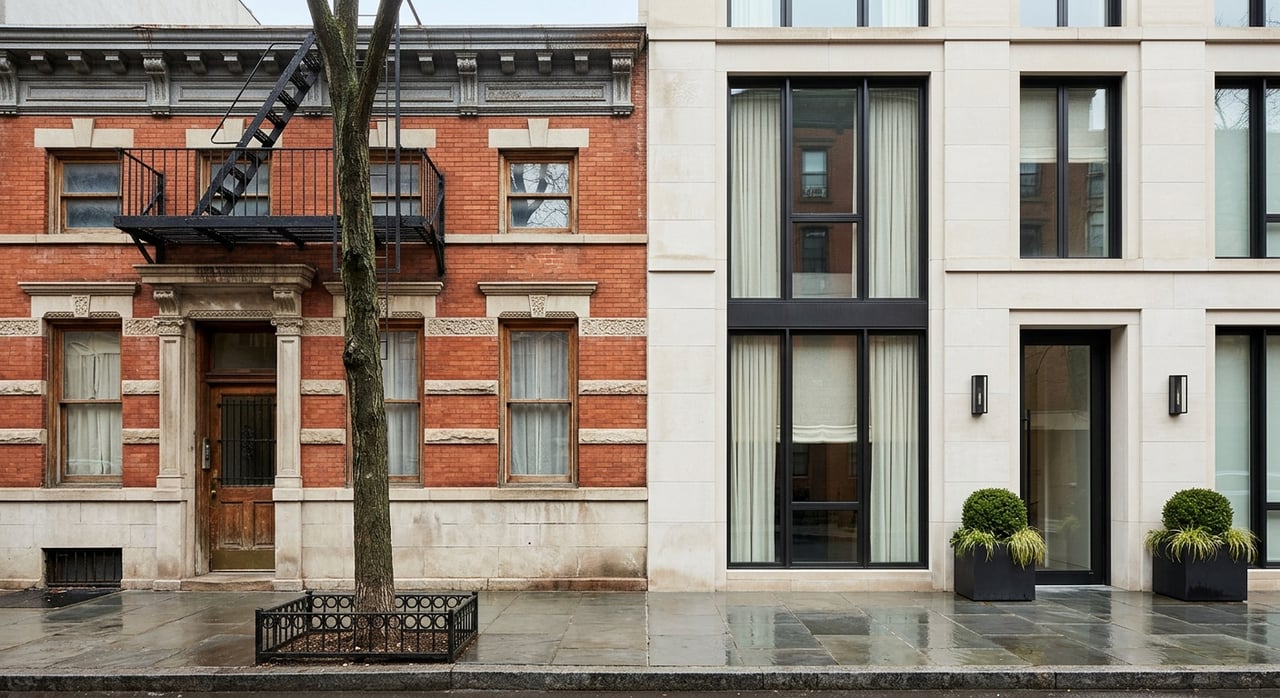
West Village housing stock also comes with history. The area’s preserved historic fabric helps explain why building rules, alteration policies, and governance can play such a big role in your purchase, especially in older buildings.
Understand what you are buying
A New York co-op is not a deeded purchase of real property in the same way as a condo or house. When you buy a co-op, you are buying shares in a corporation and receiving a proprietary lease for the apartment.
That structure affects both your rights and your monthly costs. Your maintenance payment typically covers building operating costs, property taxes, and sometimes an underlying mortgage, which is one reason co-op monthly carry can look very different from condo common charges.
In Manhattan, co-ops often offer more space per dollar than condos. The tradeoff is that they usually come with stricter board approvals and higher down payment expectations.
Start with the right offer strategy
In New York City, the process usually begins with an offer, seller acceptance, attorney review, due diligence, and then contract signing. Buyers typically bring an attorney in early, which is especially important in co-op deals where building documents and board rules shape the transaction.
Once terms are agreed, the contract is drafted and reviewed. A common New York contract deposit is 10 percent, so you want your liquidity lined up well before you get to that point.
In a market like the West Village, preparation matters. Mortgage pre-approval, proof of funds, and a realistic budget can help you act decisively when the right apartment appears.
Due diligence before signing
Before you sign a co-op contract, your attorney and buyer team should review the building carefully. The New York State Attorney General recommends reading the offering plan if one is available, along with board minutes, financial reports, and other building records.
This is where you move beyond the apartment itself and start evaluating the building as a whole. You want to understand the building’s financial condition, operating history, and whether there are any issues that could affect your ownership experience or future costs.
If the apartment is a resale, there may not be a current sponsor offering plan. That changes the due diligence lens, but it is not automatically a problem.
What to review in a West Village co-op
A smart review usually includes a few core categories:
- Building financial statements
- Recent board minutes
- House rules and sublet policies
- Renovation and alteration rules
- Monthly maintenance details
- Any known assessments or major building projects
In the West Village, this step is especially important because many buildings are older and may have more specific rules around alterations, move-ins, and visible changes.
Building your board package
The board package is the heart of a co-op purchase. It is the file that presents your finances, employment background, references, and overall qualifications to the board.
In practical terms, boards commonly ask for documents such as tax returns, bank statements, and, if you are financing, a mortgage commitment letter. They may also request employer, landlord, personal, and professional reference letters.
The key is not just having the documents. It is presenting a package that is complete, consistent, and easy to review.
What a strong package does
A strong package tells a clean financial story. It helps the board understand that you can comfortably afford the apartment and that your documents support one another without gaps or contradictions.
Boards often focus first on finances. Reference letters matter too, but unexplained discrepancies, limited reserves, or income that depends heavily on bonuses or commissions can raise concerns in some buildings.
Another practical issue is intended use. Some boards may be cautious if they believe the apartment will not be used as a primary residence.
How to avoid common package mistakes
The best approach is simple and disciplined:
- Start gathering documents early
- Follow the building checklist exactly
- Include what is requested, and only what is requested
- Double-check every number and attachment
- Make sure names, dates, balances, and totals match across documents
This is one of those NYC moments where boring is beautiful. A clean, accurate package is far more persuasive than an overstuffed one.
The board interview and approval timeline
If your package clears the first review, the next step may be a board interview. In many co-op transactions, the interview is more of a final fit check than the main hurdle, since many rejections happen before the interview stage.
That said, you still want to be ready. Know your package cold, answer questions directly, and keep your tone calm and concise.
The managing agent often plays a central operational role during this period. That can include reviewing requirements, coordinating board logistics, assisting with insurance items, and helping manage move-in procedures once approval is in place.
Timing rules are changing in NYC
New York City has passed a law scheduled to take effect on July 28, 2026 that will affect many co-ops with more than 10 units. Under that law, covered co-ops must maintain standardized application and transfer requirements, acknowledge receipt within 15 days, and make a decision within 45 days of receiving a complete application.
The board may extend that 45-day period once by up to 14 days, and a summer recess notice can pause the clock. The law does not apply to every building, including buildings with fewer than 10 units and certain other excluded categories.
For buyers, the practical takeaway is clear: ask for the building’s transfer requirements early and make sure your package is complete before submission.
Budgeting beyond the purchase price
The purchase price is only part of your budget. In a West Village co-op, you should also plan for monthly maintenance, closing costs, insurance, and tax obligations that may apply at your price point.
If your purchase price is $1 million or more, New York’s mansion tax applies. The state’s guidance treats cooperative apartment units as residential real property for this purpose.
Monthly maintenance deserves close attention too. Because it often includes property taxes, operating expenses, and sometimes the building’s mortgage, it may represent a larger share of your monthly housing cost than first-time co-op buyers expect.
Closing and getting the keys
Once the board and lender are satisfied, the attorneys coordinate the closing. The closing statement lays out the debits, credits, and the final cash you need to bring.
In co-op transactions, closings usually involve the parties’ attorneys, the lender’s attorney if financing is involved, and the managing agent. The process is administrative, but it is also the moment where all the earlier preparation pays off.
You should line up your co-op insurance before closing. In practice, the policy should begin on the estimated closing date, and your lender or the co-op may ask for proof of coverage before closing is scheduled.
Keys are typically handed over after the closing is complete and funds are disbursed. That is the point where the transaction officially turns into your move.
Renovation rules after closing
If you are buying a West Village co-op with plans to update it, do not assume you can start work right away. Many co-ops require board approval for renovations, and some projects also trigger city filing requirements.
If the apartment is in a landmarked building or historic district, exterior or visible work may require review through the Landmarks Preservation Commission. For certain DOB NOW filings involving co-op apartments, a co-op board representative attestation may also be required.
In other words, renovation planning in the West Village is often a building-and-process question before it becomes a design question.
A practical West Village co-op checklist
Here is a simple roadmap from application to keys:
- Get pre-approval and confirm liquidity.
- Hire your attorney early.
- Make your offer with building requirements in mind.
- Review financials, minutes, rules, and available offering-plan materials.
- Sign the contract and be prepared for a typical 10 percent deposit.
- Gather board package documents, including references and financial records.
- Submit a clean, complete package.
- Prepare for a possible board interview.
- Set up insurance before closing.
- Coordinate closing, key pickup, and move-in details with the managing agent.
Why process matters in this neighborhood
Buying in the West Village is not just about finding a beautiful apartment. It is about understanding the building, the board, the monthly carry, and the small process details that can affect timing and outcome.
That is why co-op buyers usually do best with a clear plan, early preparation, and a team that knows how to pressure-test the building as carefully as the apartment. In a neighborhood where inventory is tight and governance matters, good execution is part of the value.
If you are thinking about buying a co-op in the West Village and want a smart, calm guide through the process, The Rosen Team can help you evaluate the apartment, the building, and the path from accepted offer to keys.
FAQs
What does buying a West Village co-op actually mean?
- You are buying shares in a corporation and receiving a proprietary lease for the apartment, rather than taking title to real property in the same way you would with a condo.
What documents are usually needed for a West Village co-op board package?
- Boards commonly request tax returns, bank statements, employment information, reference letters, and a mortgage commitment letter if you are financing.
How much is the typical contract deposit for a New York co-op purchase?
- A common contract deposit in New York is 10 percent, though exact terms depend on the deal.
How long can a New York City co-op board take to decide on an application?
- Under a city law scheduled to take effect July 28, 2026, many covered co-ops with more than 10 units must acknowledge a complete application within 15 days and decide within 45 days, with a limited extension option in some cases.
What does West Village co-op maintenance usually cover?
- Maintenance typically covers building operating costs, property taxes, and sometimes an underlying building mortgage.
Do West Village co-op buyers need insurance before closing?
- Yes, buyers should arrange co-op insurance before closing, and lenders or co-op boards may require proof of coverage before the closing is scheduled.
Can you renovate right after buying a West Village co-op?
- Not always. Many co-ops require board approval for renovation work, and landmark or DOB filing rules may also apply depending on the building and scope of work.