Trying to choose between Brooklyn Heights and the West Village? You are not alone. Both offer historic charm, great transit, and daily convenience, yet they feel very different on the ground. In this guide, you will compare housing, commute options, amenities, style, and long-term livability so you can see which neighborhood fits your life. Let’s dive in.
Snapshot: two classic NYC neighborhoods
Brooklyn Heights at a glance
Brooklyn Heights is known for tree-lined brownstone blocks, prewar apartment buildings, and the famous Promenade overlooking the skyline. It was New York City’s first local historic district, which gives the area strong preservation protections and a stable streetscape. You can see the official district map and context from the Landmarks Preservation Commission for a sense of its boundaries and coverage at the city level (LPC map and designation). At the ZIP code level, 11201 shows higher household incomes and home values than Brooklyn overall, based on profiles like ZIP Codes data for 11201. Different datasets use different geographies and dates, so treat each number with its source and time frame.
West Village at a glance
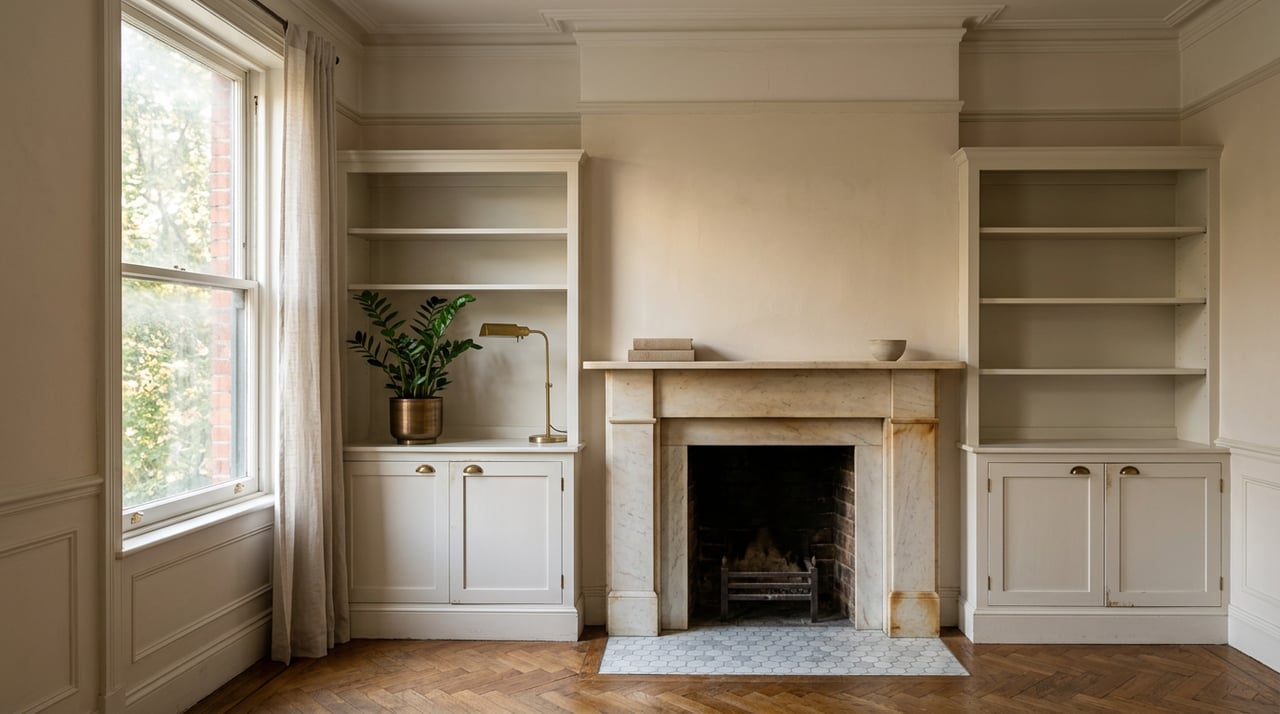
The West Village offers intimate, low-rise blocks with narrow, irregular streets, a mix of brownstones and small apartment buildings, and a deep restaurant and boutique scene. Large portions of Greenwich Village, including areas commonly called the West Village, are landmarked or under active preservation coverage, with ongoing advocacy to extend protections where needed (Village Preservation overview). Walkability is a major draw, and you will find a high share of co-ops and small condo buildings.
Housing stock and price signals
What you will see on the street
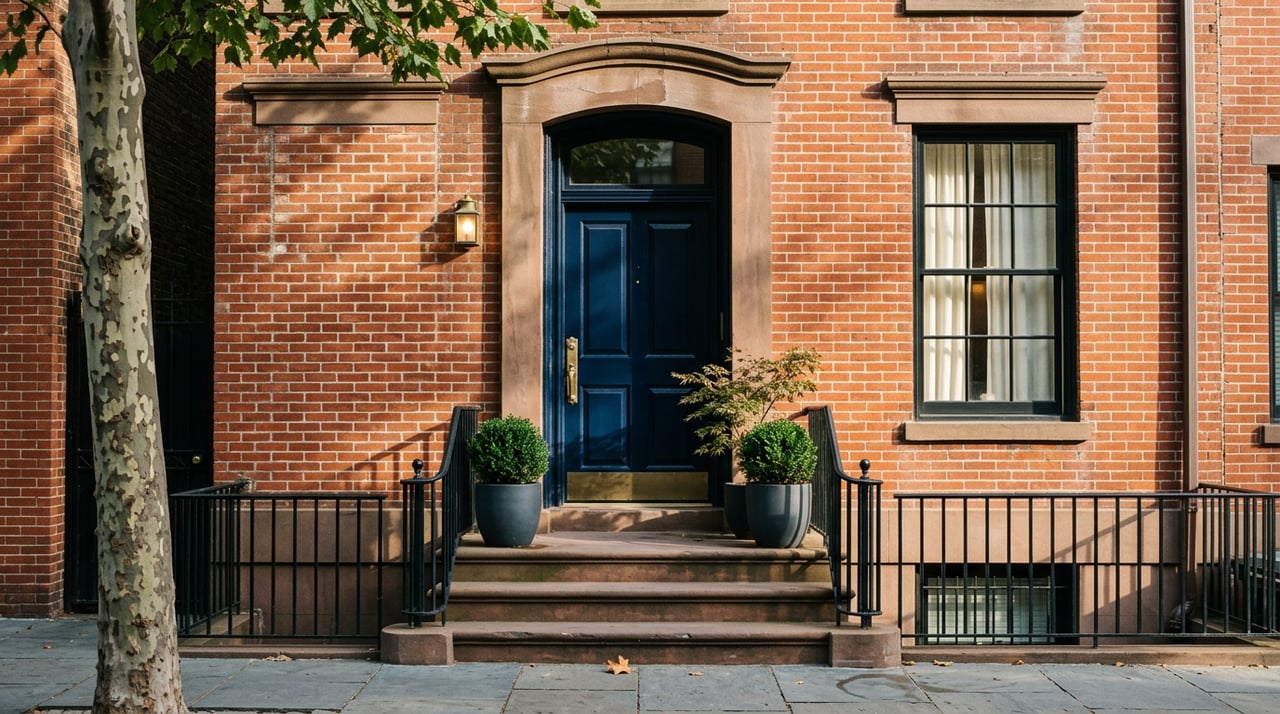
In Brooklyn Heights, you will find rows of 19th-century brownstones and rowhouses, prewar elevator and walk-up co-op buildings, and newer condos closer to the waterfront and Atlantic Avenue. The historic district keeps most blocks low-rise and consistent in character, which many buyers value. Townhouses and two- to three-family houses, when available, command premium prices due to their rarity and size.
In the West Village, you will also see many townhouses and prewar apartment buildings, often with boutique condo conversions. The street grid breaks west of 7th Avenue, which creates a more intimate scale and a distinctive retail rhythm. Architecture and small storefronts are a signature part of daily life.
What prices are doing now
Both neighborhoods trade in the high end, but the exact metric you use matters. For example, Redfin reported a median sale price of about $1.6 million in the West Village in February 2026. In Brooklyn Heights, StreetEasy reported a median asking price of about $1.895 million in early 2025, while Realtor.com’s neighborhood overview showed a median home price near $2.3 million in charts through December 2025. Other third-party snapshots in 2025 showed median sold prices near roughly $1.9 million. Always note whether you are looking at an asking-price dashboard or closed-sales data, and include the vendor and month or quarter. Inventory and sensitivity to price changed through 2024 to 2026, and some buyer-focused roundups highlighted Brooklyn Heights as having more opportunities due to increased inventory and price adjustments during 2025.
Co-op vs condo mechanics
The ownership mix can shape your path to closing. The West Village has many prewar co-ops. Buyers should plan for board packages, liquidity guidelines, interviews, and potential sublet rules that can affect investment or flexibility. If you prefer fewer restrictions, condos can be a better fit, though they often price higher per square foot. For a plain-language overview of co-op ownership and process, see PropertyShark’s co-op guide.
Brooklyn Heights has a mix: many historic co-op buildings, plus a growing set of waterfront and corridor condos. That variety can help you balance price, flexibility, and building rules, especially if you are comparing a co-op on an interior block with a newer condo near the park.
Commute and transit
Brooklyn Heights connections
Brooklyn Heights gives you multiple subway lines within a short walk: 2/3 at Clark Street, the Borough Hall and Court Street complex for 2/3/4/5/R, A/C at High Street–Brooklyn Bridge, and additional options at Jay Street–MetroTech. Those overlapping routes make Lower Manhattan commutes especially quick and provide useful backups. You can review local service context in the Brooklyn Bridge Park FEIS transit chapter (FEIS transit and pedestrians). NYC Ferry also operates nearby at DUMBO/Fulton Ferry and Brooklyn Bridge Park, which can be a pleasant and reliable option to reach downtown Manhattan (South Brooklyn route details).
West Village connections
The West Village sits within dense Manhattan transit. You have the 1 train at Christopher St–Sheridan Sq and a major transfer hub at West 4th Street–Washington Square with A, B, C, D, E, F, and M service on different schedules. Crosstown buses and walkable links to other lines fill in the gaps, which can shorten Midtown commutes compared with many parts of Brooklyn.
Time to desk: how to compare
For Lower Manhattan, Brooklyn Heights often yields sub-20-minute trips from door to desk because of proximity and direct routes. The West Village is also close, and your edge either way depends on the exact start and end points. Midtown trips are often faster from the West Village thanks to its hub status and walkable access to multiple lines. Map two or three real commutes at your preferred times to pressure-test the difference.
Amenities and daily life
Parks and waterfront
If you want immediate access to waterfront views and green space, Brooklyn Heights is hard to beat. The Promenade delivers one of the city’s most iconic skyline outlooks, and Brooklyn Bridge Park’s history and programming explain why it is such a daily-life anchor with lawns, playgrounds, and piers. In the West Village, you are close to Hudson River Park and Washington Square Park, plus several small pocket parks. A neighborhood primer from 6sqft gives a sense of the local pace, culture, and park access (guide to living in the West Village).
Retail and dining style
Brooklyn Heights has a compact commercial spine, with Montague Street as a key corridor. It reads calmer and more local in feel, with specialty food, cafes, and independent shops. Community groups track and shape the mix over time, as you can see in updates about the future of Montague Street. The West Village, centered around Bleecker Street and nearby blocks, is a destination for dining and boutiques. Expect heavier evening and weekend foot traffic and a deep bench of restaurants within a short walk.
Schools and services
Both neighborhoods are served by public and private school options. Listings for Brooklyn Heights often mention nearby elementary options and private schools in the area, and West Village addresses commonly fall within Manhattan District 2 for public schools. If schools are a key factor for you, confirm assignments and admissions directly with the DOE and consult school choice or waitlist policies for your exact address. Check after-school options, parks, and transit together to see how daily routines will work.
Street feel and architecture
Brooklyn Heights vibe
Blocks feel formal and residential, with consistent brownstone rows and tree canopies that soften the streetscape. The historic-district designation helps keep façades and building scale predictable, which appeals if you want stability and quieter nighttime streets. The result feels like a classic brownstone neighborhood with a strong sense of place.
West Village vibe
The West Village reads like an urban village. Narrow, irregular streets create an intimate scale with many small storefronts and cafes at the ground level. Preservation is strong here as well, but the pattern of blocks and density of restaurants can lead to a busier evening scene on popular corridors.
Long-term livability and ownership costs
Predictability through landmarking
Landmark protections shape what you can and cannot change on building exteriors and often influence additions or scale. Brooklyn Heights’ status as the city’s first local historic district offers a high degree of predictability about future change (LPC map and designation). The West Village shares extensive coverage as part of Greenwich Village protections, with active local advocacy for ongoing extensions where needed (Village Preservation overview).
Climate and flood awareness
Parts of both neighborhoods are near the waterfront. Flood exposure can vary block by block, with some river-adjacent addresses showing higher near-term risk in commonly used climate-risk tools. If a home is at or near grade by the water, review FEMA flood maps and Third-Party risk indicators, and factor elevation, resiliency work, and insurance into your offer strategy.
Taxes and monthly costs
Most co-ops and condos in both neighborhoods fall under NYC Tax Class 2, which is assessed differently than one- to three-family homes. In co-ops, property taxes are typically part of the monthly maintenance and managed at the building level, while condos pay common charges plus property taxes separately. Closing costs and underwriting also differ between condos and co-ops, which is one reason to align your building type with your budget, timeline, and tolerance for board review. For process basics, revisit PropertyShark’s co-op overview.
Development and future supply
In Brooklyn Heights, Brooklyn Bridge Park and adjacent sites brought new condo inventory like Pierhouse and One Brooklyn Bridge Park, along with major public space improvements (Brooklyn Bridge Park history). In the West Village, zoning rules and landmark coverage shape what can be built, and community groups often play a central role in outcomes. The effect in both places is that large-scale change is capped in many areas, which can support long-term character.
Which fits you? A simple decision guide
Use this quick framework to make a call:
Priorities and pace
- Choose Brooklyn Heights if you want quiet, landmarked blocks with direct access to a major waterfront park and the Promenade.
- Choose the West Village if you want immediate Manhattan access with dense restaurants, shops, and a lively evening scene.
Ownership style
- Comfortable with co-op interviews, financial disclosures, and sublet limits? Keep West Village co-ops high on your list.
- Want more flexibility or investor options? Focus on condos in both areas, including newer waterfront condos in Brooklyn Heights. Review co-op basics and board steps.
Commute test
- Map your exact trip at your exact time for two or three days. Brooklyn Heights often wins for Lower Manhattan door-to-desk times. The West Village often wins for Midtown reach. Consider ferry service from the Brooklyn side as a backup or a primary mode in good weather (South Brooklyn ferry).
Climate and resilience
- If a listing sits close to the water, check flood maps, building resiliency work, and insurance before you bid. Ask for recent assessments or planned capital projects related to flood protection.
Budget and true monthly cost
- Compare apples to apples: condo to condo, co-op to co-op, townhouse to townhouse. Note whether a price stat is a median asking price or a median sale price, and always include the date and vendor. Weigh monthly maintenance or common charges, expected tax class, and reserves against your budget.
Lifestyle fit
- Walk the neighborhood at night and on a weekend morning. The West Village’s weekend energy may inspire you. Brooklyn Heights’ calm and skyline views may ground you. Your reaction on the sidewalk is often the best tie-breaker.
Ready to pressure-test a short list, navigate co-op boards, and structure a winning offer? Schedule a 10-minute introductory call with The Rosen Team. Our 7 Point Approach brings clarity to building quality, costs, rules, and long-term livability so you can move forward with confidence.
FAQs
Is Brooklyn Heights or the West Village better for families?
- Both offer parks, schools, and daily convenience. Brooklyn Heights pairs quiet landmarked blocks with the Promenade and Brooklyn Bridge Park’s lawns and play areas, while the West Village offers many parks and a lively retail scene. Visit both at your typical times to see what feels right.
Which neighborhood is more expensive in 2025–2026?
- It depends on building type, metric, and timing. Recent snapshots showed West Village median sale prices around the mid to high seven figures and Brooklyn Heights median asking prices in a similar range. Always label whether a number is asking or closed sales and include the month and vendor.
How hard is it to buy a co-op in the West Village?
- Co-ops are common and can be great homes, but they come with board packages, interviews, and financial guidelines. If you want a simple process or plan to rent out later, consider condos. For a primer, see PropertyShark’s co-op overview.
How are commutes different between the two neighborhoods?
- Brooklyn Heights offers fast routes to Lower Manhattan via multiple subway lines and the NYC Ferry. The West Village has a dense subway hub that often makes Midtown trips shorter. Compare two or three real door-to-desk routes at your usual time to decide.