Trying to decide between a townhouse and a condo in Brooklyn Heights? You are not alone. For many buyers, this choice is really about how you want to live day to day, how much control you want over your home, and how much building responsibility you are ready to take on. In Brooklyn Heights, that decision matters even more because townhouse inventory is extremely limited and the neighborhood’s historic district rules shape what ownership feels like in practice. Let’s dive in.
Brooklyn Heights market reality
If you are comparing a townhouse to a condo in Brooklyn Heights, the first thing to know is that you are not choosing between equally available options. As of July 10 to 12, 2026, StreetEasy showed 34 condos, 44 co-ops, and just 3 houses for sale in the neighborhood. In other words, apartment buyers have far more choice than townhouse buyers.
That supply gap affects both your search and your expectations. StreetEasy also showed a neighborhood median sale price around $1.3 million and median days on market around 60 days, but that median is driven mostly by apartment sales, not houses. If you are focused on a townhouse, you are shopping in a much smaller and usually more expensive slice of the market.
Brooklyn-wide context also helps. Corcoran reported that 1Q 2026 inventory rose 12 percent year over year and days on market fell 11 percent, while June 2026 signed contracts for Brooklyn condos and co-ops rose 11 percent year over year. That suggests buyers may have somewhat more apartment choice than a year ago, while townhouse scarcity in Brooklyn Heights remains a major factor.
Townhouse vs condo: the core tradeoff
In Brooklyn Heights, the cleanest way to frame this decision is control versus convenience. A townhouse usually gives you more privacy, private outdoor space, and more direct control over your home. A condo usually gives you shared services, more predictable building support, and less day-to-day responsibility for the structure.
That does not mean one option is better for everyone. It means the right answer depends on your budget, your tolerance for maintenance, and how much value you place on privacy versus support.
What townhouse living offers
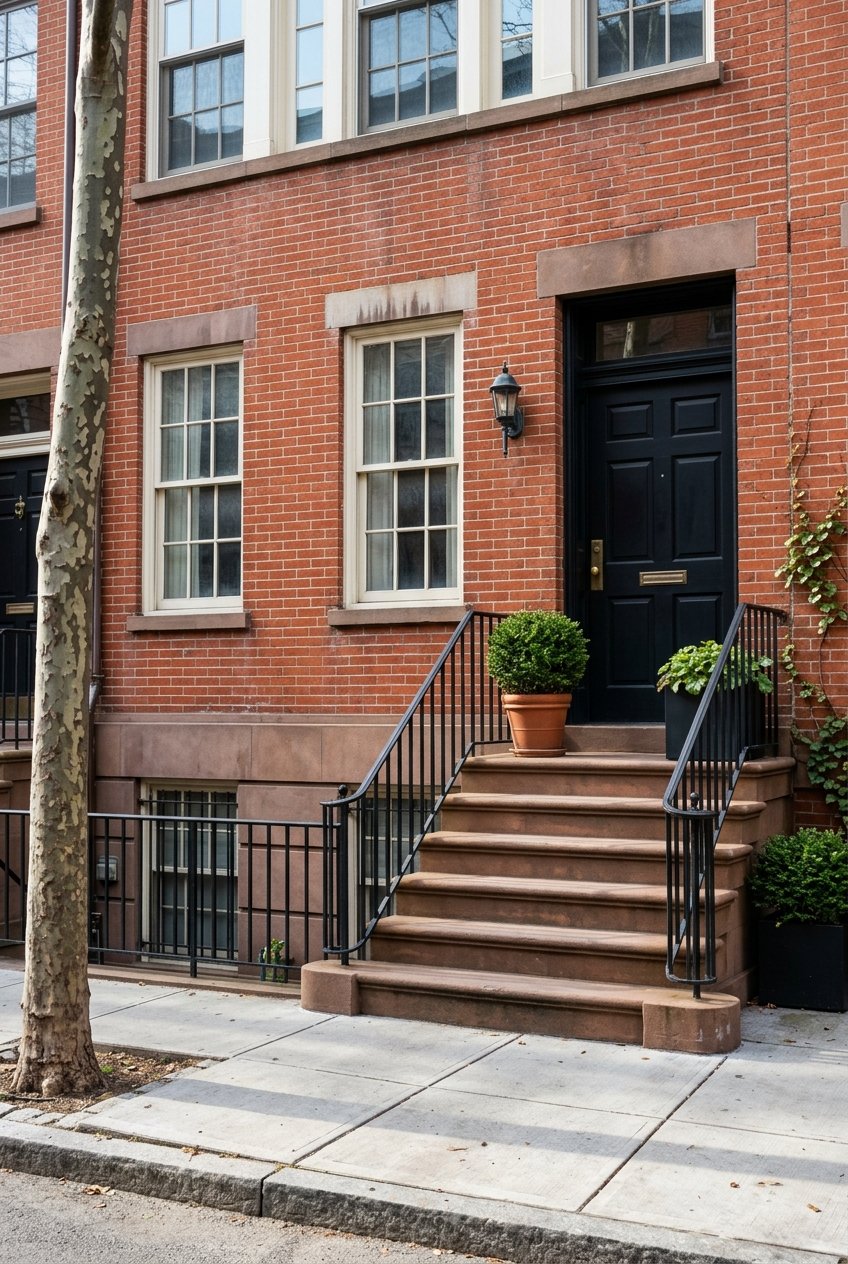
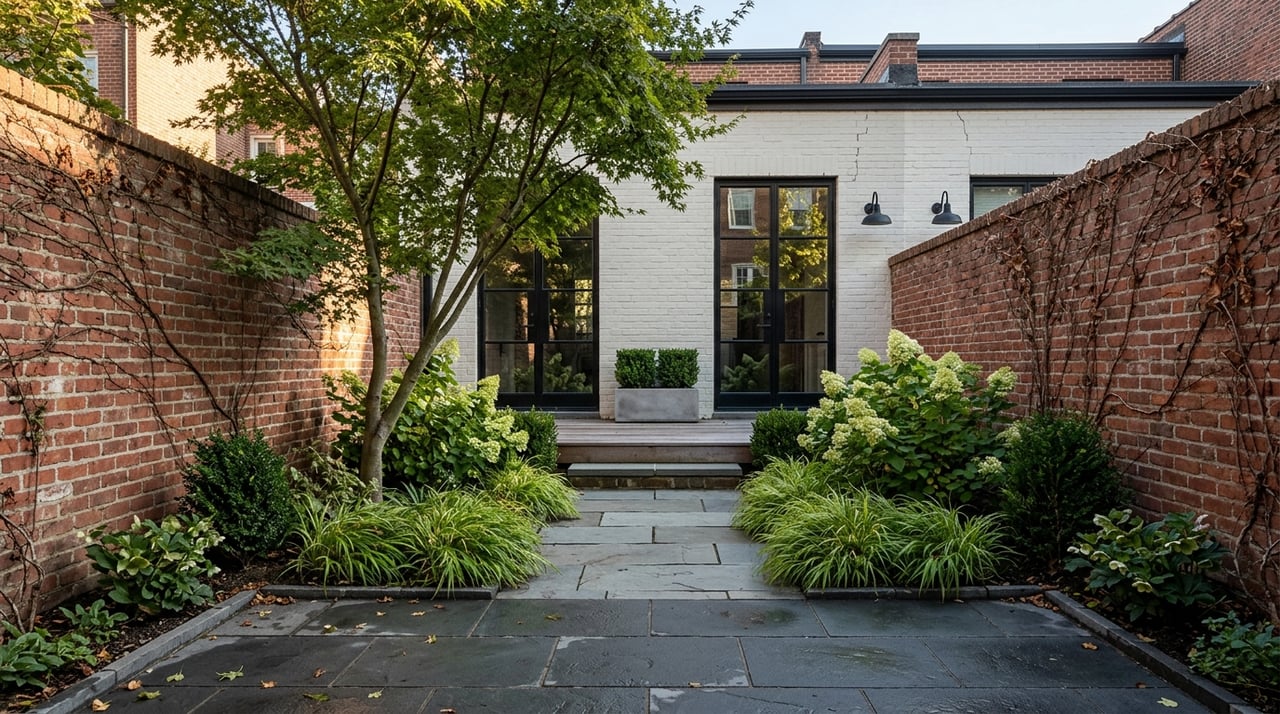
Townhouses in Brooklyn Heights often appeal to buyers who want separation, scale, and a more house-like experience. Recent examples in the neighborhood show why. Listings such as 60 Hicks Street, 307 Hicks Street, and 40 Orange Street featured sizable layouts, private outdoor space, and in one case even parking.
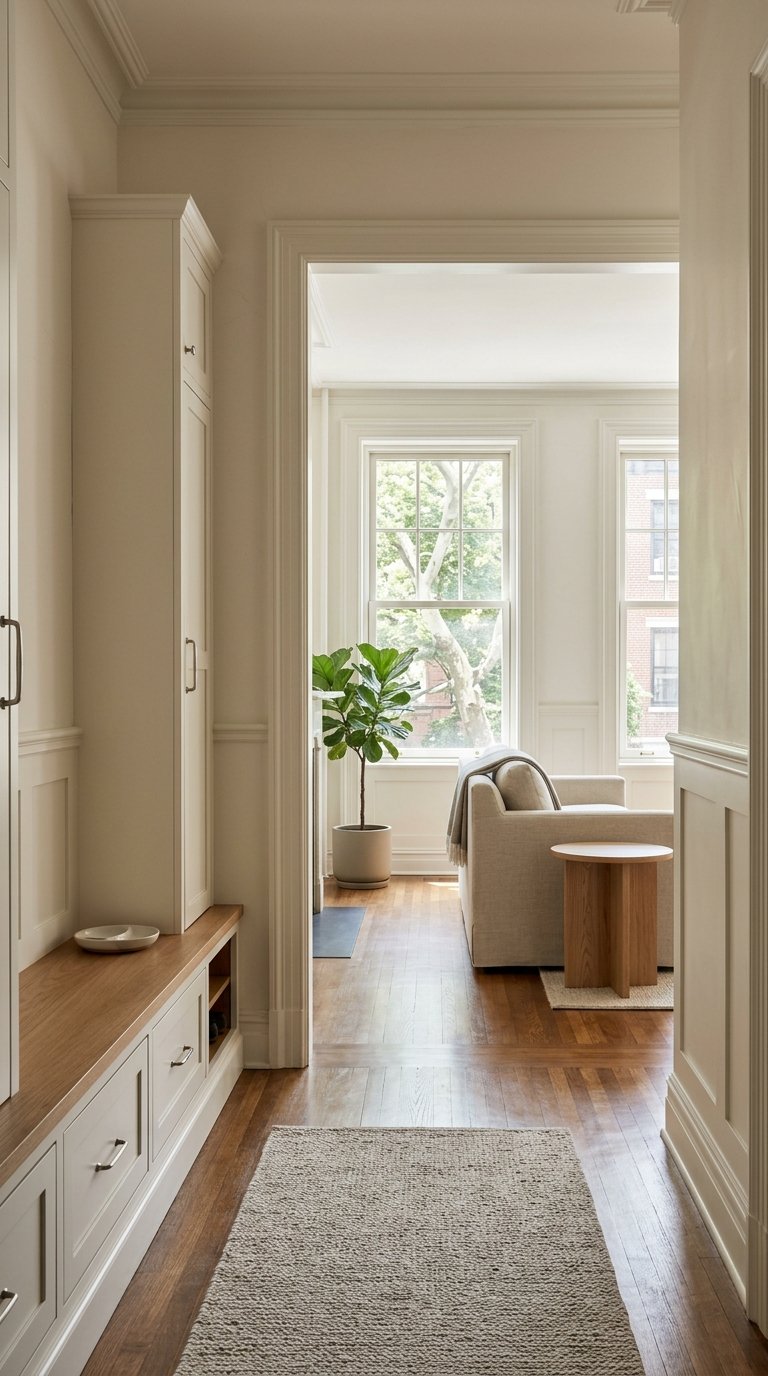
That kind of setup can feel very different from apartment living. Instead of sharing hallways, elevators, and amenity spaces, you are living in your own building with your own entry and a more private daily rhythm. If your priority is space and independence, that can be a major draw.
Townhouses also tend to give you more vertical separation. Bedrooms, living space, storage, and outdoor areas are often spread across multiple levels, which many buyers find appealing from a livability standpoint. The tradeoff is that more space usually means more direct upkeep.
What condo living offers
Condos often win on convenience. In Brooklyn Heights, condo buildings can offer the kind of support that makes busy city life easier, including elevators, staff, package handling, and shared amenities.
One example is 360 Furman Street, where listings highlight concierge, doorman service, elevator access, laundry, package room, garage parking, cold storage, a gym, a playroom, and a media room. For buyers with demanding schedules, that kind of setup can reduce friction in everyday life.
Condos also have a different ownership structure from co-ops. In a condo, you generally own your unit and typically have the right to sell or lease it, although the declaration, by-laws, and house rules may still impose restrictions or notice requirements. The offering plan should explain how common charges, assessments, repairs, and alterations are handled.
Do not ignore the co-op option
Even though your headline choice may feel like townhouse versus condo, Brooklyn Heights often pushes buyers to consider co-ops too. There are simply more of them on the market, and some offer a middle ground between apartment convenience and house-like living.
For example, 75 Henry Street is a full-service co-op with townhouse-style units. StreetEasy describes one of those homes as offering townhouse-style living with full-service co-op amenities and minimal maintenance required. That makes co-ops worth considering if you want more space and a practical support system without taking on full townhouse responsibility.
It is also important to understand the structure. In a co-op, you buy shares in a corporation that are allocated to your apartment, and you receive a long-term proprietary lease. Monthly maintenance is based on the number of shares assigned to the unit, and the building is governed by an elected board that follows the by-laws, proprietary lease, certificate of incorporation, and house rules.
Monthly costs work differently
A townhouse, condo, and co-op may all carry a high price tag, but they do not feel the same month to month. That is where many buyers need a more practical comparison.
In a townhouse, you may not have common charges at all. Current Brooklyn Heights townhouse listings like 60 Hicks Street and 307 Hicks Street showed common charges as not applicable, while taxes still applied. That sounds simple, but it means you are carrying building upkeep more directly rather than sharing it through an association.
In a condo, your monthly costs may be more visible and more predictable. For example, 360 Furman Street #202 was asking $4.249 million with $3,365 per month in common charges plus $2,417 per month in taxes. You are still paying heavily for the property, but some of the building operations are bundled into a shared structure.
That is the real comparison. A townhouse may reduce shared fees, but it shifts more responsibility to you. A condo can feel easier operationally because staff, systems, and common-area maintenance are part of the building setup.
Historic district rules matter more here
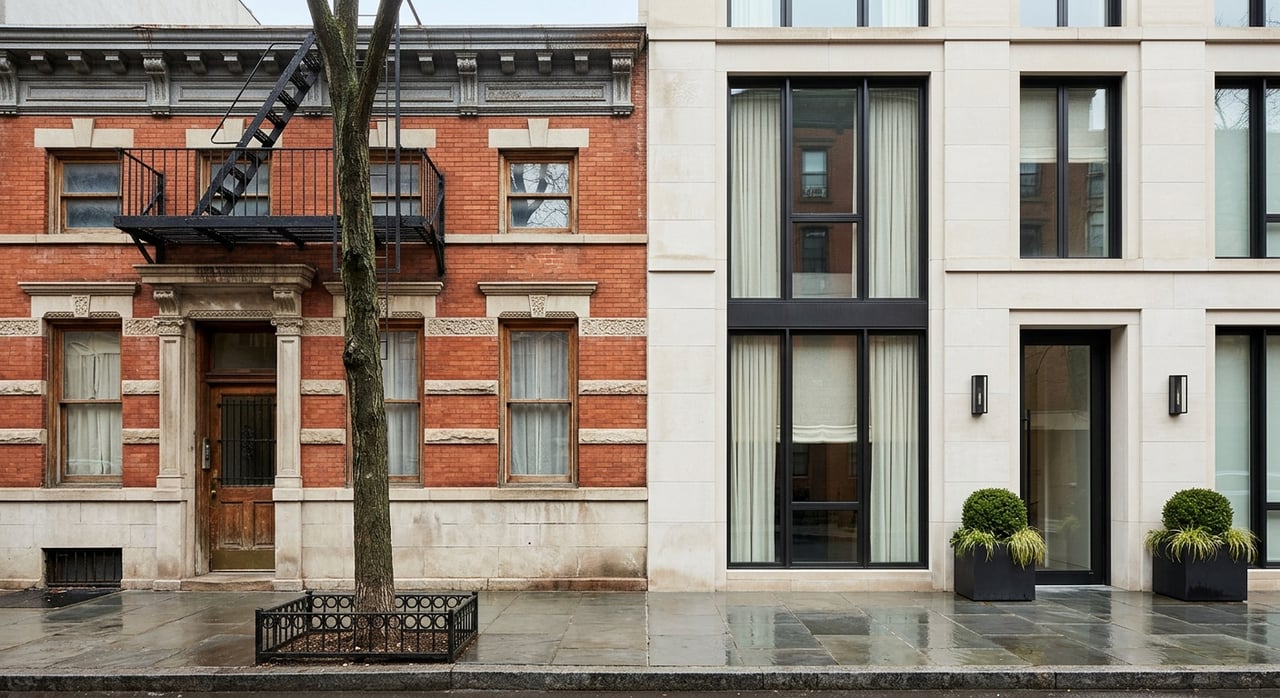
Brooklyn Heights is not just any neighborhood. It is a landmarked historic district, designated by the Landmarks Preservation Commission in 1965, and the designation emphasized the area’s 19th-century residential character and generally uniform height.
That matters because visible exterior changes are more tightly managed here than in many other parts of Brooklyn. According to the LPC, most exterior changes to buildings in historic districts require review. Ordinary repairs like replacing broken glass or repainting to match the existing color may not require the same level of approval, but additions, visible window changes, and similar alterations can face closer scrutiny.
If you are buying a townhouse because you want full freedom to change the exterior, Brooklyn Heights may not work the way you expect. You may have more control than you would in a condo or co-op, but historic district review still shapes what is possible.
Renovation approval is not one-size-fits-all
Renovation planning in Brooklyn Heights is not just about budget and design. It is also about who needs to approve what.
The LPC rules make that chain specific to the property type. Applications for work on a co-op building must be signed by the board president or another appropriate officer. Condo common-area work must be signed by a condo association officer, while work on an individual condo unit must be signed by the unit owner.
On top of that, co-op and condo documents can impose additional limits. Co-op rules may include sublet provisions and renovation restrictions, while condo documents should explain who can sell or lease a unit, how common charges are set, how repairs are allocated, and what alterations require consent. If you are comparing property types, this is one of the most important practical differences to understand upfront.
Long-term planning should shape your choice
A smart Brooklyn Heights purchase is not just about what feels good on showing day. It is also about what the next five to ten years could look like.
For co-ops and condos, the New York Attorney General advises buyers to review board minutes, financial reports, and any existing violations. Expensive building-wide issues often appear there first. Common examples include facade work, roof repairs, elevator work, plumbing upgrades, electrical upgrades, and boiler replacements.
For a townhouse, you do not have a board package full of building-wide records in the same way, but you are also more directly exposed to the cost of maintaining the structure. That is why this choice often comes back to a simple question: do you want to manage more yourself, or do you want a building structure that manages more for you?
Pricing examples show the gap
Brooklyn Heights sales examples make the tradeoff easier to picture. On the apartment side, recent closings included 130 Henry Street #4R at $560,000, 75 Henry Street #15E at $1.195 million, and 20 Henry Street #PH3S at $3.35 million.
On the townhouse side, recent closings included 60 Hicks Street at $5.575 million, 40 Orange Street at $6.995 million, and 307 Hicks Street at $14.995 million. Those are very different price bands.
That does not mean every condo is affordable or every townhouse is out of reach. It does mean townhouse buyers in Brooklyn Heights are usually making a much larger financial commitment, in a much tighter inventory environment, for a very different ownership experience.
How to choose the right fit
If you are deciding between a townhouse and a condo in Brooklyn Heights, focus on the realities of your life instead of the romance of a property type. A clear framework can help.
A townhouse may fit if you want:
- More privacy
- Private outdoor space
- Multi-level living
- Fewer shared building rules in daily life
- More direct control over your home
A condo may fit if you want:
- Staff support and building services
- Elevator access and shared amenities
- More predictable day-to-day operations
- Less direct responsibility for structural upkeep
- A broader range of available listings
A co-op may fit if you want:
- More inventory options in Brooklyn Heights
- Potential townhouse-style layouts in some buildings
- Full-service living in certain properties
- A structured building environment with shared governance
The key is to match the property type to your priorities, not just your wishlist. In Brooklyn Heights, the right answer is often the one that best balances livability, cost, building rules, and long-term effort.
If you want help pressure-testing the tradeoffs, that is where a local, process-driven approach matters. In a neighborhood where governance, historic-district rules, and inventory constraints all shape the outcome, clarity is a real advantage. If you are weighing your next move in Brooklyn Heights, The Rosen Team can help you compare options and move forward with a smart plan.
FAQs
What is the main difference between a townhouse and condo in Brooklyn Heights?
- A townhouse usually offers more privacy, private outdoor space, and direct control, while a condo usually offers shared services, amenities, and less direct responsibility for building upkeep.
Is townhouse inventory limited in Brooklyn Heights?
- Yes. As of July 10 to 12, 2026, StreetEasy showed just 3 houses for sale in Brooklyn Heights, compared with 34 condos and 44 co-ops.
Do Brooklyn Heights condos and co-ops have renovation rules?
- Yes. Condo and co-op renovations are shaped by building documents and approval requirements, and exterior work in the historic district may also require LPC review.
Are Brooklyn Heights townhouses easier to renovate?
- Not always. While you may have more direct control as an owner, Brooklyn Heights is a historic district, so many exterior changes still require LPC review.
Why should Brooklyn Heights buyers review board minutes and financials?
- Board minutes and financial reports can reveal upcoming costs and building issues such as facade repairs, roof work, elevator upgrades, plumbing projects, or boiler replacements.
Should I consider a co-op if I want townhouse-style living in Brooklyn Heights?
- Yes. Some Brooklyn Heights co-ops include townhouse-style units and may offer a blend of more expansive living space with full-service building support.