Wondering whether a co-op or condo makes more sense in the West Village? You are not alone. In one of Manhattan’s most expensive and competitive neighborhoods, that choice can shape everything from your buying timeline to your monthly costs and future flexibility. This guide will help you compare the two clearly, so you can focus on the right fit for your lifestyle and goals. Let’s dive in.
Why this choice matters
The West Village is not a market where you casually pick a property type and figure it out later. StreetEasy reported a 2025 median asking price of $1.775 million in the neighborhood, compared with a Manhattan median of $1.35 million. Median asking rent was reported at $5,495.
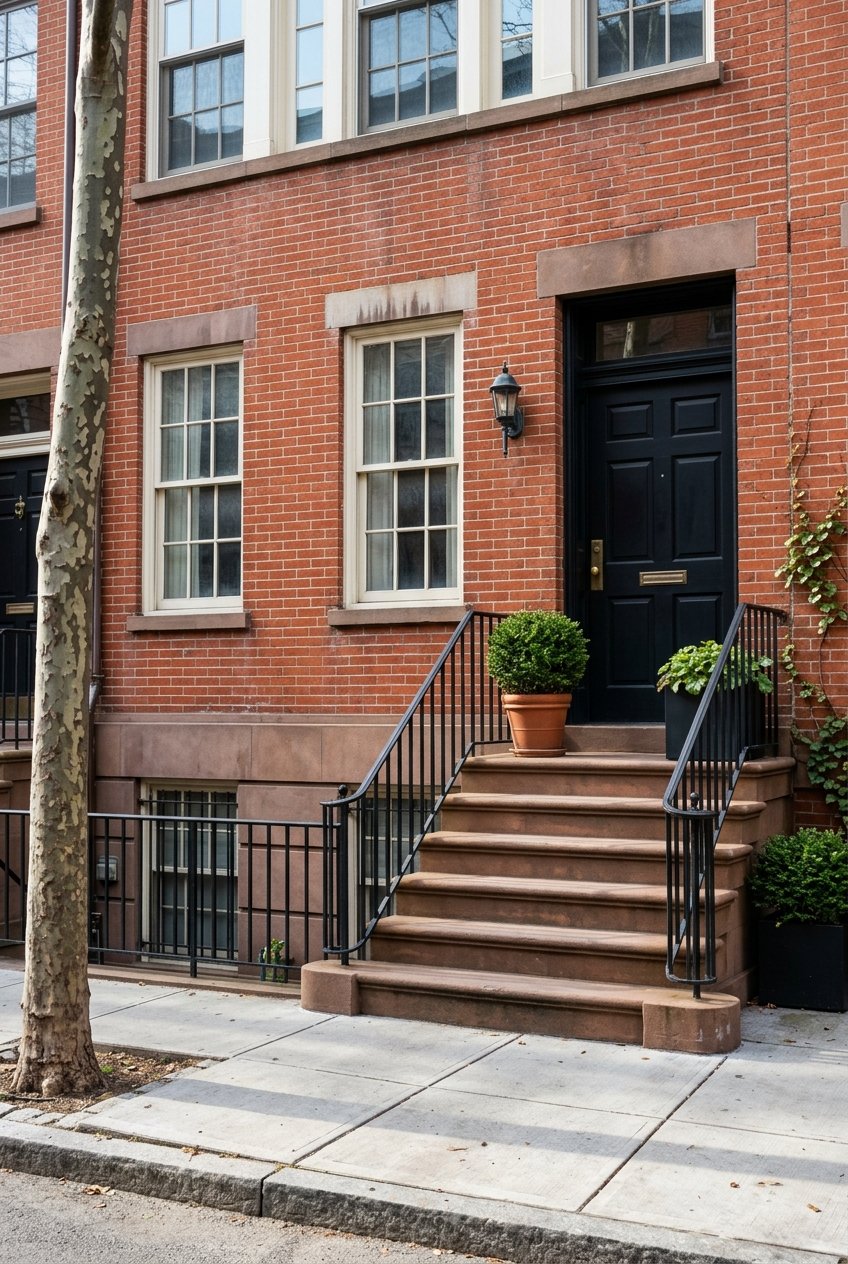
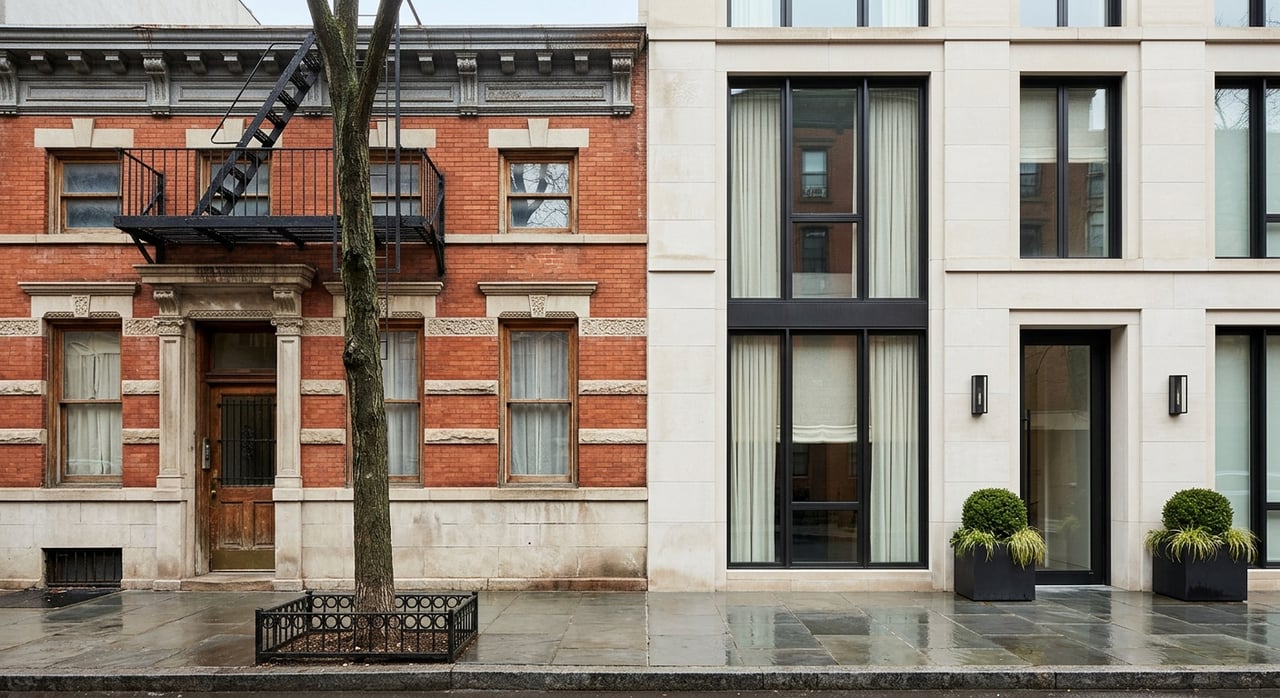
That price point alone makes structure matter. In the West Village, buyers are often choosing between older co-ops and a smaller pool of newer condos. The housing stock includes classic lofts, walk-ups, townhouses, and many prewar or converted buildings, so your decision is often as much about the building as it is about the apartment.
West Village inventory skews co-op
If you look at public building examples in the neighborhood, the pattern is pretty clear. There are older co-op buildings like 88 Horatio Street from 1920, The Waverly from 1929, and 180 West Houston Street, a 1952 building later converted to co-op use. There are also condos like 366 West 11th Street from 1987 and 166 Perry Street from 2008, but the condo inventory is generally smaller.
That means your real comparison is often this: more character and more co-op rules versus more flexibility and more condo pricing. Neither is automatically better. The right answer depends on how you plan to live in the home and how much process you can tolerate.
How co-op and condo ownership differ
Co-op ownership basics
When you buy a co-op, you are not buying real property in the same way you do with a condo. According to the New York Attorney General, you buy shares in a corporation and receive a proprietary lease for the apartment. The building is governed by bylaws, the proprietary lease, and house rules.
This matters because your ownership is tied closely to the building’s internal governance. The board must follow those rules and use prudent business judgment, but it also has a meaningful role in review and approvals.
Condo ownership basics
When you buy a condo, you own the unit itself plus an undivided interest in the building’s common elements. The New York Attorney General notes that condo boards also operate under internal rules and bylaws, but the ownership structure is different from a co-op.
In practical terms, condos usually feel more straightforward from a property-rights standpoint. Buyers often gravitate toward condos when they want a simpler ownership structure and more use flexibility.
Approval process and buyer flexibility
Co-op approvals are usually more involved
This is where many buyers feel the biggest difference. Co-op purchases typically require a detailed application, financial review, and board approval. New York court decisions have reinforced that a board cannot decide on a proposed sale until the required application is submitted, and boards may deny incomplete applications or applications that conflict with building rules.
That is a big reason co-op deals can feel slower and more document-heavy. If you are buying in a competitive West Village market, you need to be ready for that extra layer of process.
Condos are often easier to navigate
Condo boards still have rules, but the process is often less discretionary than in a co-op. The Attorney General’s condo guidance notes that condominium documents generally include sublet provisions and that there are generally no restrictions on sublets.
That does not mean every condo is identical. It does mean condos are often the better fit if you value flexibility, want fewer approval hurdles, or may not keep the apartment as your full-time long-term home.
Some West Village co-ops are more flexible than expected
The co-op stereotype is not always accurate. In the West Village, some co-ops allow options that buyers assume are off the table. For example, 88 Horatio Street allows co-purchasing, guarantors, pets, and pied-a-terres, while 56 Jane Street allows pied-a-terres, guarantors, pets with board approval, and sublets with board approval.
The takeaway is simple: do not assume all co-ops play by the same rules. Building-by-building review matters.
Monthly costs are not apples to apples
Co-op maintenance versus condo charges
Co-op maintenance and condo common charges are not the same thing. The Attorney General says co-op maintenance charges are based on the number of shares allocated to the apartment. Condo common charges are based on each unit’s common interest.
For condos, you also need to account for property taxes separately. That can make monthly carrying costs look very different, even when two apartments have similar purchase prices.
West Village examples show the gap
Current and recent listings in the neighborhood show how wide the spread can be. A studio at 88 Horatio Street was listed with maintenance of $1,081 per month. By contrast, a condo unit at 166 Perry Street showed $3,787 per month in common charges plus $2,171 per month in taxes, while another unit in the same building showed $7,608 per month in common charges plus $4,361 per month in taxes.
These are listing examples, not neighborhood averages. Still, they show why buyers need to compare total monthly carrying cost, not just asking price.
Closing costs and financing differences
Transfer tax applies to both
For individual co-op apartments and condominium units, New York City real property transfer tax applies at closing. The city rate is 1% for residential transfers of $500,000 or less and 1.425% above $500,000.
Because most West Village purchases are well above $500,000, that higher rate is often the relevant one. This is one more reason buyers should model their full cash-to-close early in the process.
Financing works differently for co-ops
Mortgage structure can differ between co-ops and condos. New York City records indicate that UCC financing statements are used for co-ops, which affects how financing is documented compared with a condo purchase.
The practical point for buyers is this: financing terms are building-specific, especially in co-ops. One West Village co-op listing at 56 Jane Street advertised 80% financing allowable, which is a useful reminder to verify each building’s actual policy rather than assume one neighborhood standard.
Renovation and building due diligence matter more here
Landmark rules can affect your plans
In the West Village, renovation questions often go beyond finishes and contractor bids. The neighborhood includes many historic buildings, and the Landmarks Preservation Commission says most exterior facade changes in historic districts require review. Permits are also required for work affecting the exterior of a landmarked property or a building in a historic district, and some interior work that affects the exterior, like HVAC louvers and vents, can require permits too.
If work is done without permits or not in compliance with an approved permit, that can create Landmarks Law violations. So if you are buying with renovation plans, you want to understand the building rules and any landmark constraints before you fall in love with a project.
Older buildings need deeper review
Because so much of the West Village housing stock is older, due diligence is critical. The New York Attorney General warns that for resale units, the offering plan may be stale or missing, so buyers should lean on board minutes, financials, and building records.
Its guidance also flags key building systems to review, including the facade, roof, elevators, heating and cooling systems, windows, electrical wiring, and plumbing. In other words, a pretty renovation inside the apartment does not always tell you what is happening in the building as a whole.
Certificates of occupancy and records matter
The Department of Buildings says buildings built before 1938 are not required to have a certificate of occupancy unless later alterations changed use, egress, or occupancy. If a building is exempt, owners can request a Letter of No Objection.
You should also review public property records. The city’s ACRIS system includes deeds, mortgages, and leases from 1966 to the present. In an older neighborhood like the West Village, these records can help you better understand a building’s history and past transactions.
Which is better for you?
A co-op may fit if you want value and character
A co-op can make sense if you are comfortable with a more involved application process and want access to older, often character-rich buildings. In the West Village, that can mean more opportunities in classic prewar stock and potentially lower monthly costs than some newer condos.
You do need to be ready for rules, paperwork, and building-specific financing standards. If you are organized and planning to use the home in a fairly straightforward way, a co-op may offer a strong match.
A condo may fit if you want flexibility
A condo can make sense if you prioritize simpler ownership, easier use flexibility, newer systems, or more amenities. In the West Village, condos are often the minority product, and that can show up in both pricing and recurring monthly costs.
Still, for some buyers, the tradeoff is worth it. If flexibility is central to how you plan to use the property, a condo may be the cleaner answer.
A smart way to decide
In the West Village, this is rarely just a co-op versus condo question. It is really a question about livability, cost, flexibility, building health, and process risk. The apartment may be beautiful, but the right decision usually comes from understanding the building behind it.
That is why a building-by-building evaluation matters so much in this neighborhood. If you compare ownership structure, approval path, carrying costs, financing rules, and renovation realities side by side, the right option usually becomes much clearer.
If you want help pressure-testing a specific West Village co-op or condo, The Rosen Team can help you see the tradeoffs clearly and move with confidence. Schedule a 10-minute introductory call.
FAQs
What is the main difference between a West Village co-op and condo?
- In a West Village co-op, you buy shares in a corporation and receive a proprietary lease, while in a West Village condo, you own the unit plus an interest in the common elements.
Are West Village co-ops always harder to buy than condos?
- Not always, but West Village co-ops usually involve a more detailed application and board approval process than condos.
Do West Village condos usually cost more per month than co-ops?
- They can, especially when you add common charges and separate property taxes, and listing examples in the neighborhood show some newer condos with much higher monthly carrying costs.
Can you sublet a West Village co-op or condo?
- It depends on the building, but condo documents generally include sublet provisions and there are generally no restrictions on sublets, while co-op sublets are often subject to board approval and house rules.
Do West Village historic district rules affect apartment renovations?
- Yes, especially when work affects a building exterior or interior elements that impact the exterior, because landmark review and permits may be required.
Why should buyers review building records for a West Village apartment?
- West Village buildings are often older, so reviewing board minutes, financials, major building systems, and public records can help you spot capital needs, rule issues, or property-history questions early.