If you are thinking about living in the West Village, the biggest question is not just what your apartment looks like. It is what your Tuesday feels like. In a neighborhood where errands, coffee, commuting, and a quick walk by the river can all happen within a compact footprint, weekday livability becomes a huge part of the decision. This guide walks you through what everyday life in the West Village actually looks like, so you can judge whether the neighborhood fits the way you live. Let’s dive in.
Why West Village Feels So Local
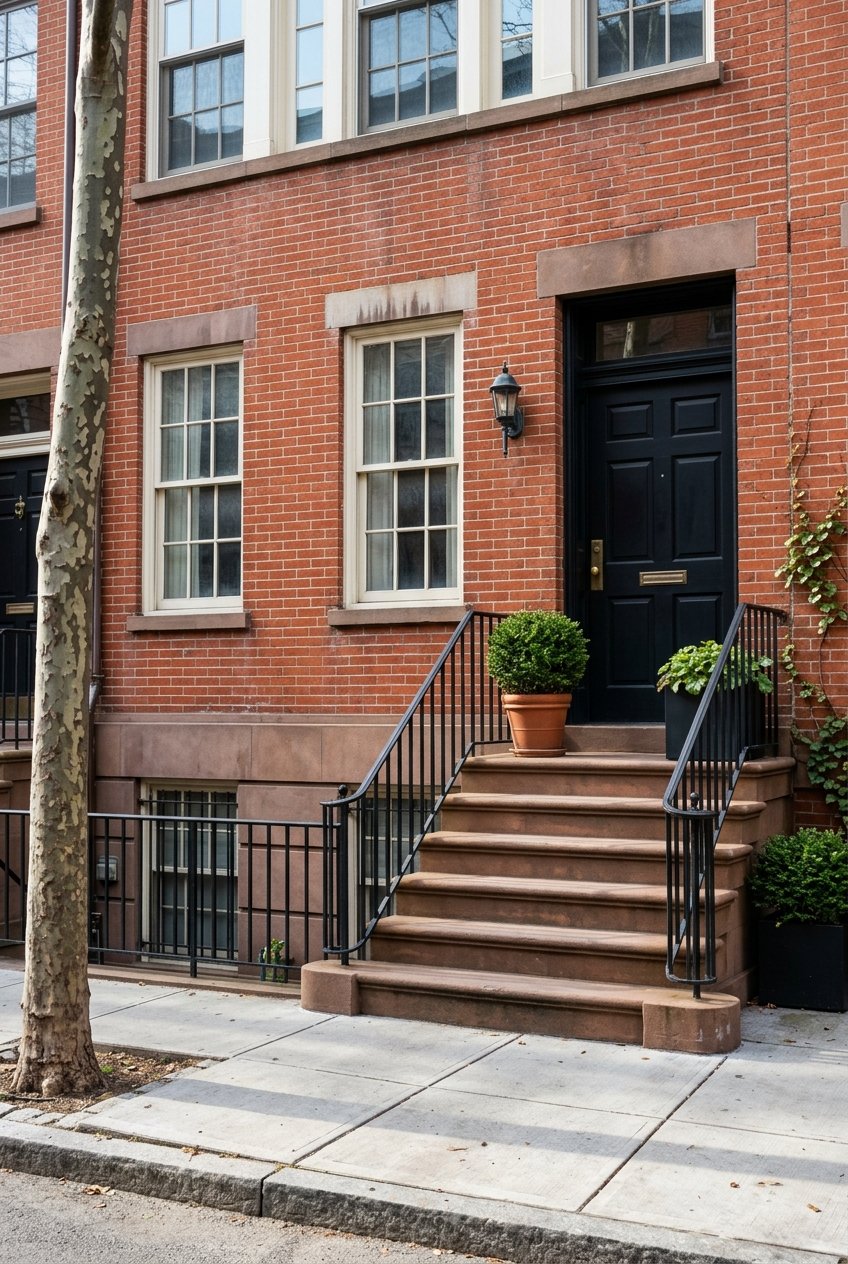
The West Village has a distinctly small-scale feel, especially for downtown Manhattan. The Greenwich Village Historic District includes more than 2,000 buildings across more than 65 blocks, and city preservation rules have helped maintain the area’s character over time.
That matters because the neighborhood is not defined by large waves of new development. Instead, much of its appeal comes from its preserved streetscape, human-scale buildings, and the fact that daily life often happens a few blocks from home.
The location also gives you strong access to nearby downtown neighborhoods. According to the MTA neighborhood map, the West Village sits alongside Greenwich Village, Hudson Square, Chelsea, the Meatpacking District, and Union Square, which helps explain why weekday routines often extend beyond the neighborhood without feeling far from home.
Morning Routine in the West Village
One of the clearest signs of West Village life is how easy the morning can feel on foot. Whether you want coffee to go, a quick breakfast, or a place to sit for a bit before heading out, there are multiple options within a short walk.
Examples in the neighborhood include Daily Provisions at Bedford and Downing, Joe Coffee on Waverly Place, Amano Café on West 4th Street, and Mamali on Christopher Street and 7th Avenue. For many residents, that means your weekday can start without a long detour or a complicated plan.
This is one of those livability details that sounds small until you live it every day. In a fast-moving city, being able to handle your first stop in just a few blocks can make the entire week feel easier.
Fitness Before or After Work
Workout options in and around the West Village follow a similar pattern. You have neighborhood-scale studios nearby, plus larger fitness clubs and outdoor options within easy reach.
Club Pilates West Village is located at 389 Sixth Avenue. Nearby, Equinox Hudson Square at 75 Varick offers group fitness, yoga, strength and cardio floors, plus locker rooms with steam rooms and saunas.
If you prefer outdoor movement, Hudson River Park is a major part of the weekday picture. The park runs four miles along Manhattan’s west side, and the Greenwich Village section includes Pier 45’s lawn and Drift In, giving you an easy option for a run, walk, or post-work reset.
Commuting From the West Village
Transit is one of the neighborhood’s biggest weekday strengths. If you need to get around Manhattan or head across the river, the West Village offers a strong range of nearby options.
Closest subway choices include Christopher St–Stonewall on the 1, West 4 St–Washington Sq on the A/C/E/B/D/F/M, and the 14 St/8 Av and 14 St/6 Av complexes on the A/C/E/L and F/M/L. That mix gives you flexibility, which is especially useful when you are balancing office days, dinner plans, and late-night returns.
For cross-Hudson commuting, PATH service is another advantage. Christopher Street Station serves the Journal Square–33 St and Hoboken–33 St lines, which can make the neighborhood a practical choice if your routine regularly includes New Jersey.
What the Commute Feels Like
The practical appeal here is choice. You are not relying on one single station or one single line to make the neighborhood work.
That tends to reduce friction in weekday planning. If one route is more convenient for work and another is better for after-hours plans, the neighborhood can support both.
Running Errands After Work
The West Village is also strong on daily convenience. Grocery shopping and small errands can usually be handled close to home, which helps explain why the area feels so functional during the week.
Citarella’s West Village store is at 424 6th Ave at 9th Street. Gourmet Garage has a West Village market at 585 Hudson Street, and Greenwich Village Farm describes itself as a family-owned convenience grocery in the heart of the West Village since 2001.
If you need a larger stock-up trip, Trader Joe’s Union Square at 142 East 14th Street adds another option that is still relatively easy to reach. In practical terms, you can usually manage a quick weeknight grocery run locally and save bigger shopping for when you need it.
Evenings in the West Village
After work, West Village life often shifts into a quieter rhythm. This is one reason the neighborhood appeals to buyers and renters who want downtown access without feeling like they live in the middle of a constant sprint.
Hudson River Park plays a big role here. In the Greenwich Village section, you have Pier 45, the Apple Garden near Charles Street, and Drift In, all of which support a very specific kind of weekday evening: a walk by the water, a little fresh air, or a low-key stop before heading home.
That park access gives the neighborhood a release valve. Even if your day has been packed, you are close to an open-air space that can change the pace quickly.
Nearby Neighborhood Energy
Part of understanding West Village weekday life is understanding what surrounds it. Greenwich Village, the Meatpacking District, Hudson Square, Chelsea, and Union Square all shape the neighborhood’s daily flow.
Greenwich Village is closely tied to Washington Square Park and NYU, which NYU describes as the center of its campus and a Greenwich Village hub. The Meatpacking District anchors the southern entrance to the High Line at Gansevoort and Washington Streets, while Hudson Square brings a more daytime-commercial feel.
Taken together, that makes the West Village feel especially residential and low-key within the broader downtown mix, while still staying connected to the same transit and retail ecosystem.
What Housing Choices Mean Here
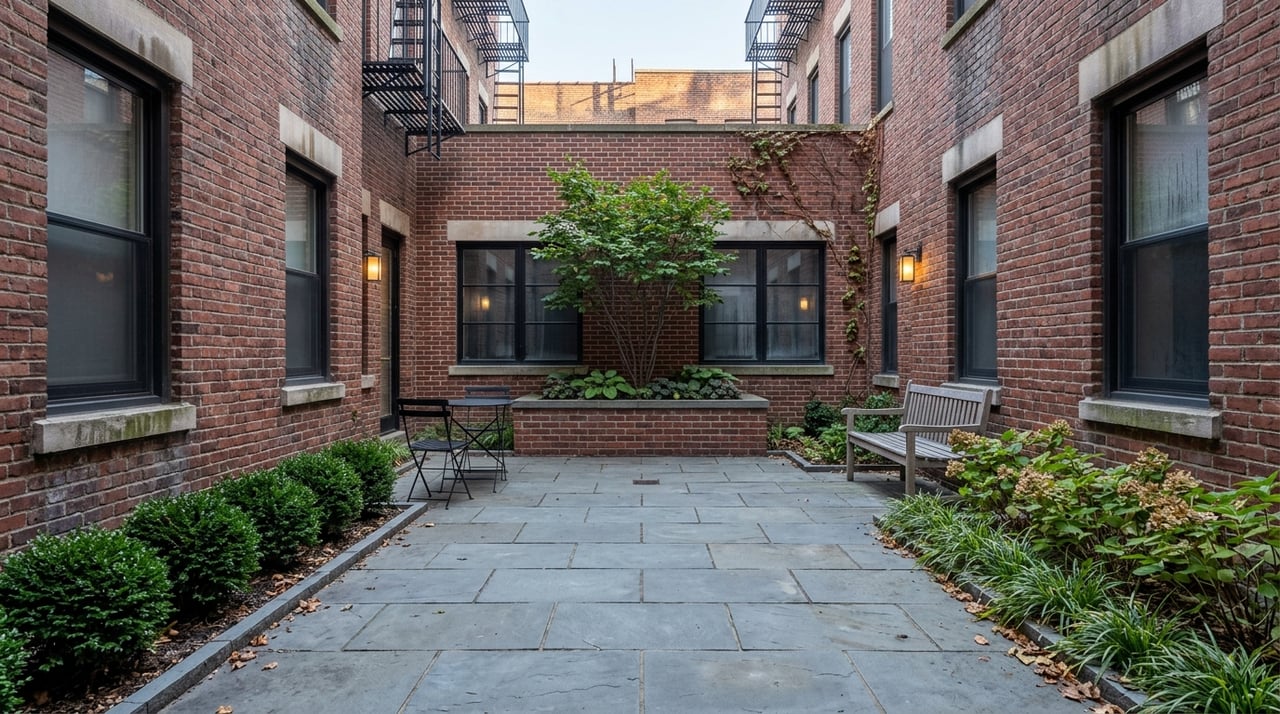
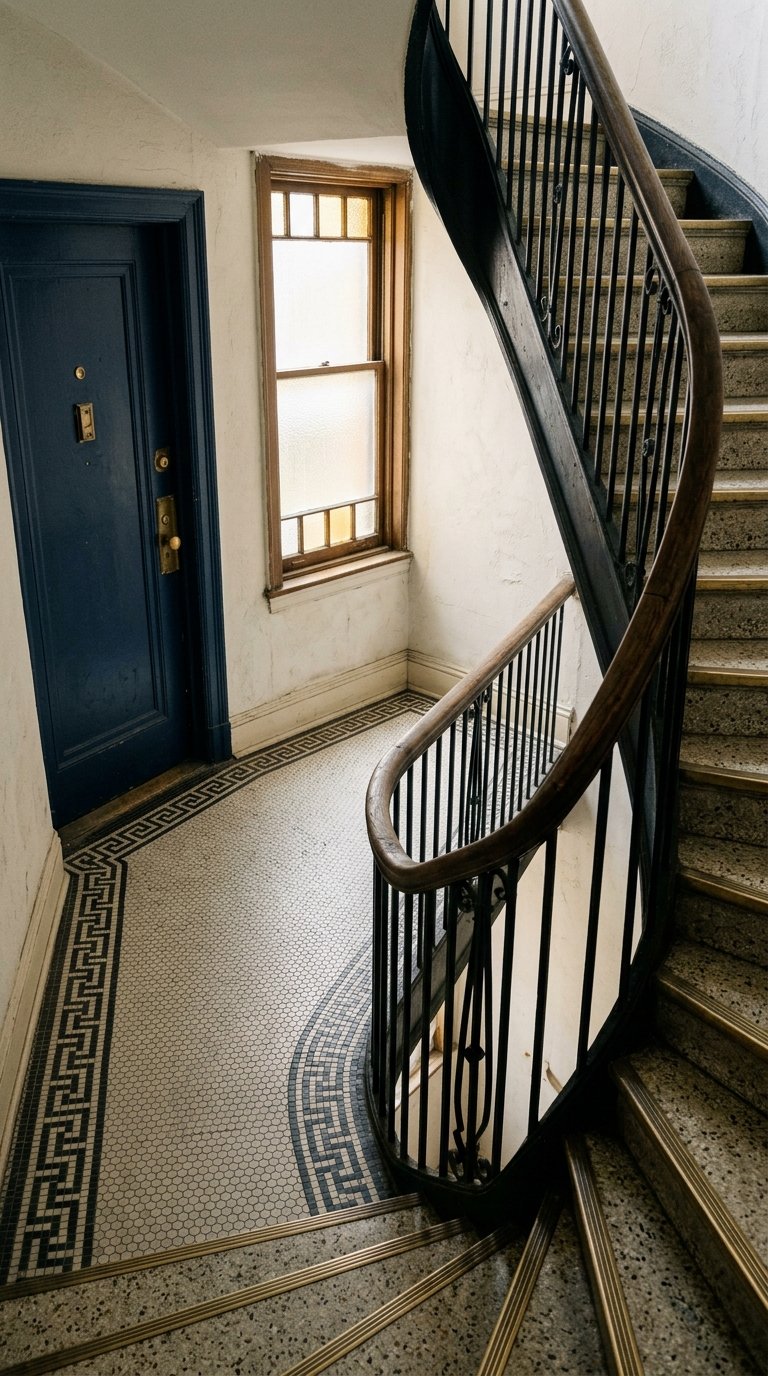
In the West Village, your building type and your day-to-day routine are closely linked. Because the neighborhood is shaped by preservation rather than large-scale redevelopment, the housing stock often reflects the area’s older, smaller-scale built form.
For buyers, that means you should pay attention not just to finishes or layout, but to how the apartment supports your weekday life. A short walk to transit, grocery options, or the river may matter as much as square footage, especially in a neighborhood where convenience is part of the value proposition.
This is also where a structured decision framework helps. In the West Village, evaluating livability means looking at the apartment, the building, and the surrounding routine as one package rather than three separate things.
How to Judge Fit Before You Move
If you are deciding whether the West Village works for you, try pressure-testing the neighborhood against your actual week. Not your ideal Saturday. Your real Wednesday.
Ask yourself questions like these:
- Where would you grab coffee on a workday?
- Which subway or PATH stop would you use most often?
- Could you handle groceries without adding a major detour?
- Would Hudson River Park become part of your routine?
- Do you want a quieter evening feel while staying plugged into downtown?
Those are the details that often determine whether a neighborhood feels effortless or annoying over time. In the West Village, they matter a lot because the appeal is as much about rhythm as it is about looks.
Why Weekday Livability Matters
It is easy to fall for the West Village on charm alone. But the stronger case for the neighborhood is how well it can function during a normal week.
You have a compact local feel, strong transit access, practical grocery options, nearby fitness, and easy access to Hudson River Park. For many people, that combination is what turns the West Village from a beautiful neighborhood into a livable one.
If you are weighing a move, the goal is to see the area clearly. Not just as a postcard, but as a system that either supports your routine or fights it.
If you want help evaluating whether the West Village fits your daily life, building preferences, and broader NYC housing goals, schedule a 10-minute introductory call with The Rosen Team.
FAQs
What is weekday life like in the West Village?
- Weekday life in the West Village is compact and walkable, with many residents handling coffee, errands, transit, and park time within a few blocks of home.
How do West Village residents commute during the week?
- West Village commuters have access to the 1 at Christopher St–Stonewall, the A/C/E/B/D/F/M at West 4 St–Washington Sq, the 14th Street subway complexes, and PATH service from Christopher Street Station.
Where can you buy groceries in the West Village?
- Grocery options in and near the West Village include Citarella on 6th Avenue, Gourmet Garage on Hudson Street, Greenwich Village Farm, and Trader Joe’s in Union Square for larger stock-up trips.
Does the West Village have good outdoor space for weekdays?
- Yes. Hudson River Park is a major weekday asset, with the Greenwich Village section including Pier 45, the Apple Garden near Charles Street, and Drift In.
Why does housing feel different in the West Village?
- The neighborhood’s preserved, small-scale built form is shaped in part by the Greenwich Village Historic District, which helps explain why building type, convenience, and day-to-day livability are important factors when choosing a home here.